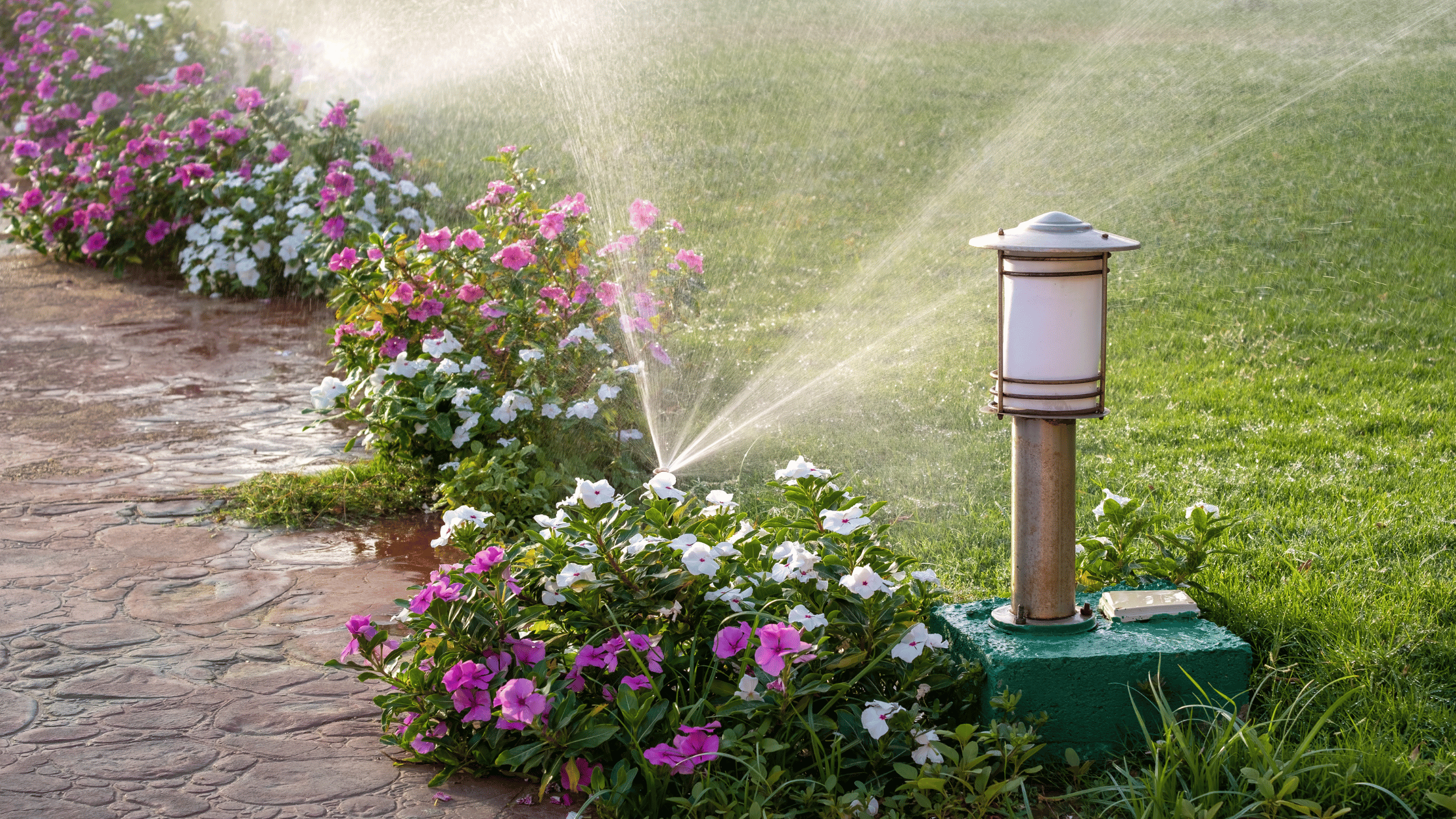
Late October and early November mark a critical window for property owners across the Twin Ports and the Iron Range. In USDA Hardiness Zones 3b and 4a, preparing a landscape for winter is not about aesthetic upkeep; it is about protecting structural hardscapes, turfgrass, irrigation systems, and plant material from severe freeze-thaw cycles, heavy snow loads, and deep frost lines.
Taking a systematic, practical approach to late-fall maintenance prevents costly repairs come spring. At Boulder Creek Outdoor Living, we design, build, and maintain landscapes engineered specifically for our region. This guide breaks down the essential steps to winterize your outdoor property effectively before the ground freezes solid.
How to Prepare Northern Lawns for Winter
Cool-season grasses like Kentucky bluegrass, fine fescues, and perennial ryegrass dominate lawns in Duluth, Superior, Hibbing, and surrounding communities. While top growth slows dramatically by late October, root systems remain active until the soil freezes. Proper late-season care ensures your lawn survives under snow cover without developing disease.
Adjusting Your Final Mowing Height
Setting your mower deck to the correct height on your final pass of the season is critical for disease prevention. Aim for a final grass height between two and two-and-a-half inches.
If grass is left longer than three inches, the weight of heavy, wet snow compresses the blades flat against the soil. This creates a dark, humid environment beneath the snow pack that fosters pink and gray snow mold fungi. Conversely, cutting the lawn shorter than two inches scalps the turf, exposing the root crown to severe frost desiccation and low-temperature injury. Ensure your mower blades are freshly sharpened so the grass heals cleanly before freezing temperatures arrive.
Managing Leaf Litter Efficiently
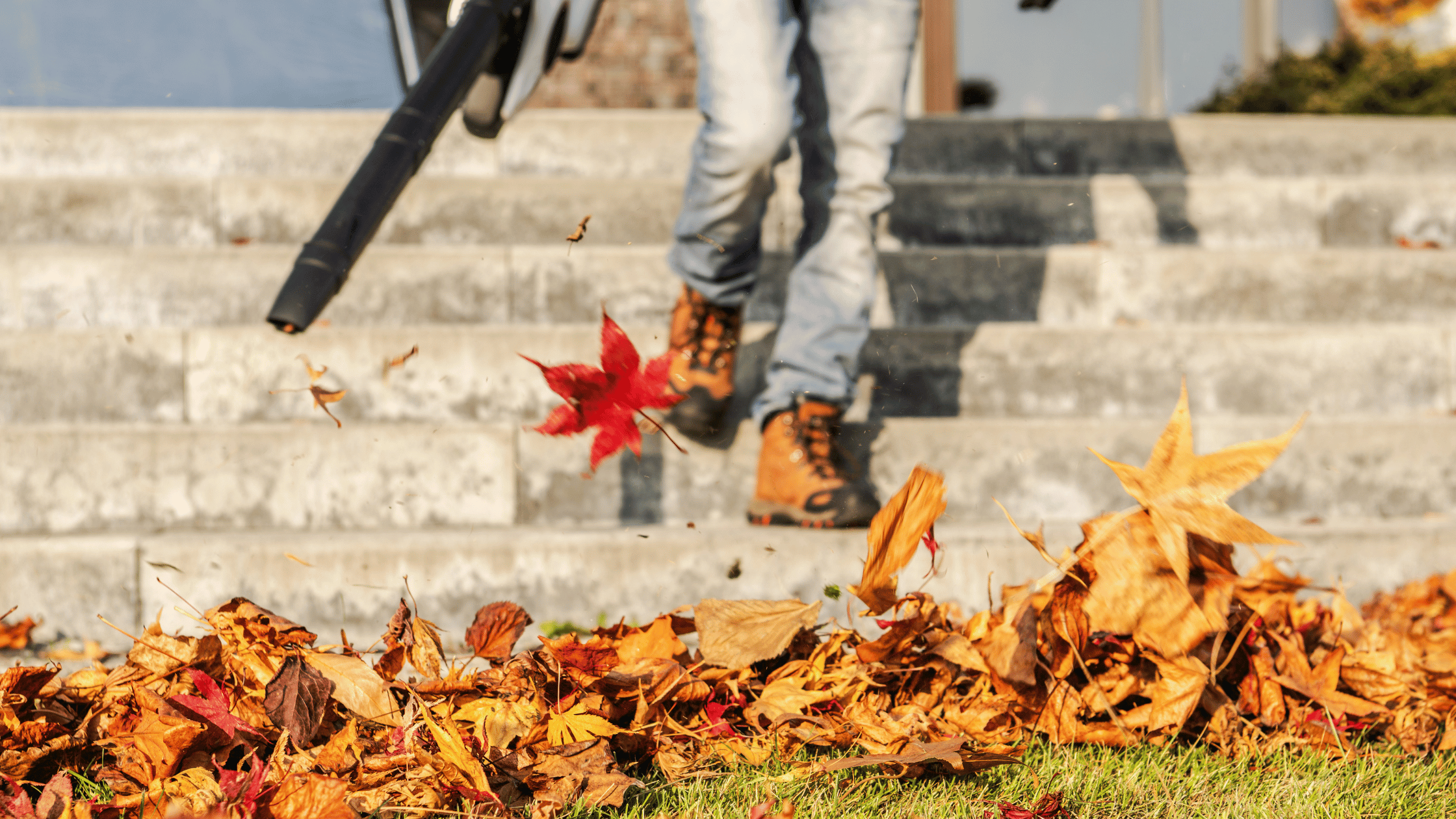
Leaving a solid mat of fallen leaves on your lawn over the winter will smother the grass, trap excess moisture, and kill large patches of turf by spring. However, you do not need to rake every single leaf off your property.
If you have a light-to-moderate layer of leaves, use a mulching mower to shred them directly into the lawn. Chopped leaf litter breaks down between the turf blades, returning organic matter and valuable nutrients to the soil. If the leaf layer is thick enough to hide the grass blades, which is common under mature maple and oak canopies, bag or rake the leaves. Shredded leaves can be repurposed as protective mulch over perennial beds, but thick, un-shredded leaf mats must be removed from turf areas entirely.
Timing Late-Season Fertilization and Dormant Seeding
Late-fall lawn fertilization should focus exclusively on root development rather than top growth. The ideal window for a "winterizer" fertilizer application is right after the grass stops growing above ground, but while the soil is still unfrozen. A quick-release nitrogen fertilizer applied during this window allows the roots to absorb and store essential carbohydrates. This stored energy fuels rapid recovery and early green-up in May without forcing weak, disease-prone growth in late autumn.
Late fall is also an excellent opportunity for dormant overseeding. If your lawn suffered bare patches from summer traffic, broadcast high-quality cool-season grass seed over those areas right before the first lasting snow. The natural freezing and thawing of the soil surface draws the seed into optimal contact with the dirt. The seed will remain dormant through the winter and germinate at the earliest possible moment in spring, utilizing early snowmelt moisture to establish deep roots.
Hardscape Protection: Preventing Paver Heaving and Wall Damage
The Twin Ports and Iron Range regions present some of the toughest conditions in the U.S. for hardscape installations. Duluth’s steep grade shifts and heavy red clay subsoils, combined with the extreme winter temperature drops across the Range, create massive ground movement. Water trapped within or beneath hardscape structures expands when it freezes, creating immense hydraulic pressure.
Clearing Drainage Pathways and Inspecting Joints
Preventing hardscape failure begins with surface and subsurface water management. Before the first hard freeze, inspect all retaining walls, patio surfaces, and drainage infrastructure.
Ensure that weep holes at the base of retaining walls are completely clear of soil, leaves, and debris. Trapped groundwater behind a wall will freeze, expanding against the block and causing the wall to tip or bow over time. Check that catch basins, channel drains, and downspout extensions discharge water at least five feet away from patio foundations and structural retaining walls.
Inspect the joints between your paver stones. If summer rain or power washing has eroded the sand, sweep fresh joint sand into those gaps and compact it properly. Intact, sealed joints act as the first line of defense, keeping rain and snowmelt from penetrating into the aggregate base below where it can freeze and cause pavers to heave unevenly.
Choosing Safe Ice-Melt Products
The chemical treatments you apply to driveways, walkways, and patios during winter directly impact the lifespan of your hardscapes. Standard rock salt, or sodium chloride, is highly destructive to concrete pavers, natural stone, and mortar joints. It draws moisture deep into the porous surfaces of masonry, accelerating physical spalling and flaking during freeze-thaw cycles.
For paver surfaces and stone steps, use safer alternatives like calcium magnesium acetate (CMA) or potassium chloride. These products are less corrosive to hardscapes and safer for surrounding plant material and lawn edges. Alternatively, spreading clean, coarse traction sand provides immediate slip resistance without introducing damaging chemicals to your stone and concrete investments.
Winterizing Irrigation Systems and Outdoor Living Amenities
Leaving water trapped in underground pipes, outdoor plumbing lines, or feature pumps during a Northern Minnesota winter guarantees structural failure. Frost lines in our region regularly extend four to six feet deep, meaning any un-winterized component containing water will burst.
Conducting Professional Irrigation Blowouts
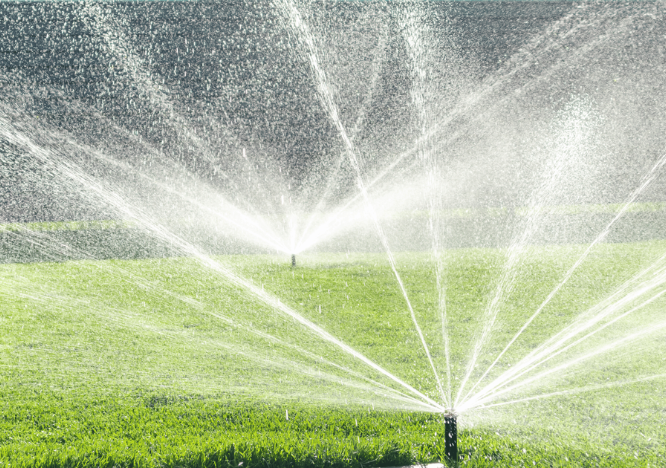
A complete irrigation blowout is absolutely necessary before ground temperatures drop below freezing. Simply opening drain valves or using a small home pancake compressor is insufficient for commercial or residential sprinkler systems in Zones 3b and 4a.
Standard residential air compressors lack the necessary air volume, measured in cubic feet per minute (CFM), to push water out of low-lying pipe dips, manifold valves, and drip lines. Professional blowouts require high-volume tow-behind compressors that deliver high CFM at a controlled, safe pressure (typically under 50 PSI for plastic piping). This ensures every drop of water is evacuated from main lines, zone valves, and backflow preventer assemblies without damaging internal mechanisms. Once the blowout is complete, isolate the main water supply valve inside your basement or utility space.
Securing Outdoor Kitchens, Fire Features, and Ponds
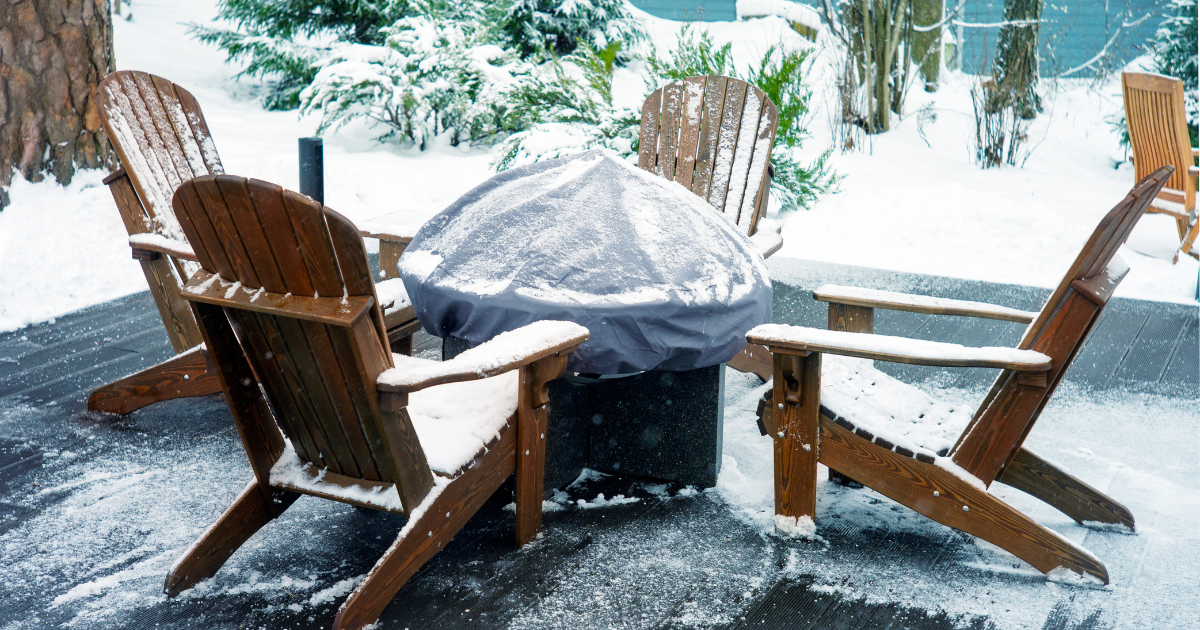
If your outdoor living space features a kitchen setup, turn off the dedicated water supply line inside your home and drain the exterior fixtures completely. Open outdoor faucets to allow room for residual moisture expansion. Deep clean grill grates, side burners, and stainless steel drawers to remove grease and food residue that attract rodents over the winter, then cover appliances with fitted, weather-resistant vinyl covers.
Gas fire pits and natural stone fire tables require protection from pooling water. Shut off the gas supply at the key valve or propane tank. Clear the burner pan of leaves and organic material, then install a rigid protective cover over the burner assembly to keep rain and snow from freezing inside the burner ports.
For water features, ponds, and disappearing waterfalls, pull submersible pumps before the water freezes. Clean the pump housing and store the unit indoors submerged in a bucket of water to keep the internal mechanical seals from drying out and cracking. For decorative stone fountains, drain all basins completely, dry them, and wrap them in heavy-duty waterproof tarps. If you keep fish in a deep outdoor pond, install a floating pond de-icer combined with a small air diffuser to maintain an open hole in the ice, allowing trapped metabolic gases to escape while preserving oxygen levels.
Protecting Trees, Shrubs, and Evergreens from Winter Injury
Winter damage to woody plants across Northern Minnesota usually comes from three distinct sources: desiccation caused by cold winds, physical damage from heavy snow and ice, and animal browsing. Taking defensive steps in late October prevents long-term structural harm to your plant material.
Preventing Evergreen Desiccation
Evergreens—including arborvitae, boxwoods, rhododendrons, spruce, and pine—do not go entirely dormant in winter. They continue to lose moisture through their foliage through transpiration. When cold, dry winds sweep off Lake Superior or across the Iron Range, plants lose water rapidly. Because the ground is frozen solid, their roots cannot draw up moisture to replace what was lost, leading to severe foliage browning known as winter burn.
To combat desiccation, give all broadleaf and needle evergreens a thorough, deep watering in late October before the ground freezes. Saturating the soil profile ensures the plant enters winter at maximum hydration. For vulnerable or young evergreens exposed to north or west winds, install physical burlap screens around the plants or apply a high-quality anti-desiccant spray to the leaves. Anti-desiccants leave a thin, protective coating that reduces moisture loss through the winter months.
Physical Armor Against Wildlife and Elements
As snow accumulates across the region, natural food sources for deer, rabbits, voles, and mice become scarce. Residential landscapes quickly turn into primary feeding grounds.
To protect young, smooth-barked trees like maples, honey locusts, and fruit trees, install white plastic spiral tree guards around the trunks, extending from the soil line up to the lowest branches. These guards prevent rabbits and mice from girdling the trunk by chewing off the vital inner bark beneath the snowline. The white plastic also reflects bright winter sunlight, preventing sunscald—a condition where daytime sun warms trunk tissue and sudden nighttime freezing causes the bark to split open vertically.
In areas with high deer density, spray sensitive shrubs like arborvitae, hostas, and hydrangeas with professional-grade, weather-resistant deer repellents before snow falls. For high-value specimens, constructing temporary wooden frames covered in heavy-duty deer netting provides an absolute physical barrier that prevents winter browsing.
Mulching Perennial Beds
Apply a fresh three-to-four-inch layer of organic wood mulch over perennial gardens, focusing on newly planted perennials or shallow-rooted varieties. Mulch acts as an insulating blanket, stabilizing soil temperatures against extreme fluctuations. This thermal insulation prevents frost-heaving, a destructive process where repeated freezing and thawing cycles push plant roots out of the ground, exposing them to freezing air. When mulching around trees and shrubs, keep the mulch three inches away from the main trunk to avoid holding excess moisture directly against the bark.
Why Late Fall is the Best Time to Plan Spring Hardscapes
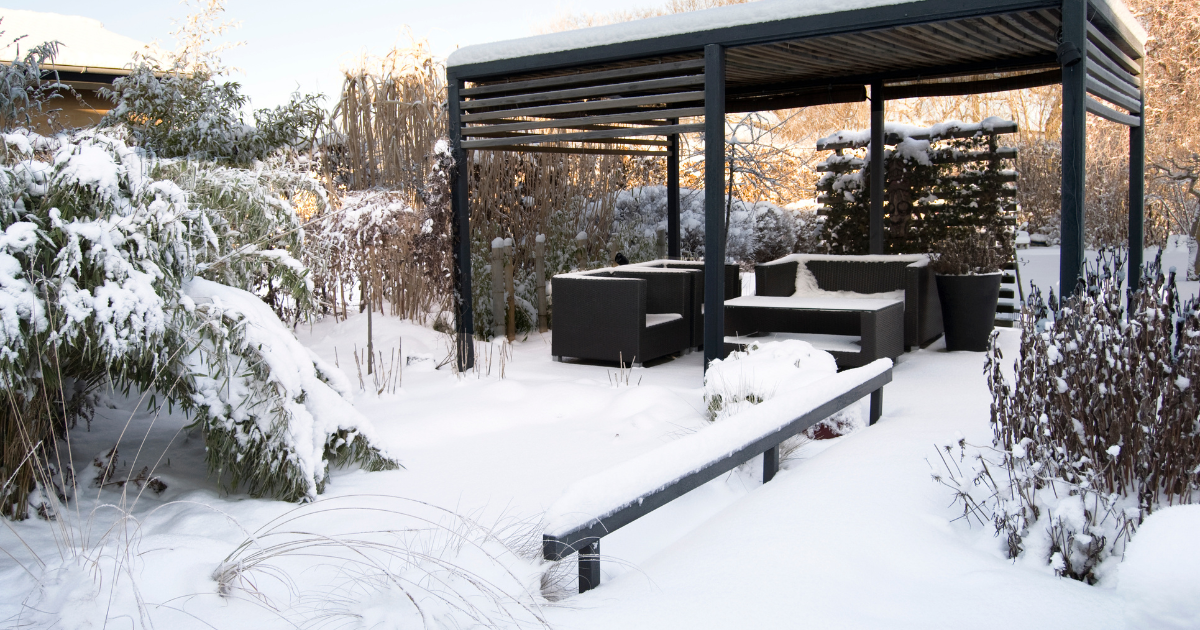
While most homeowners view late fall as the end of the outdoor season, it is actually the most strategic time to plan major landscape improvements for the following year.
Designing custom paver patios, retaining walls, fire features, and full site master plans requires time for site measuring, 3D conceptual design, engineering, and local municipal permitting. High-quality landscape contractors in the Twin Ports and Iron Range fill their spring construction schedules well before the ground thaws in April.
By finalizing your landscape designs and securing a contractor during late autumn or early winter, you ensure your project is queued for early spring installation. This avoids middle-of-the-season installation delays and ensures your outdoor living space is built and ready for use when warm weather returns.
Taking the time to execute a thorough winterization plan protects your outdoor investments, ensures a healthy spring recovery, and keeps your property functioning at its best. If you need assistance winterizing your residential estate or commercial property, or if you want to begin planning your spring landscape construction project, reach out to the experienced team at Boulder Creek Outdoor Living today.