Every year, homeowners get to their local garden centers in April and May to buy bags of grass seed, fertilizer, and weed control. They believe spring is the prime season to fix bare patches, thin turf, and heavy weed infestations.
Lawn care professionals know a different truth: Spring is actually the worst time to plant cool-season grass seed.
By the time spring temperatures warm up enough for seeds to germinate, the scorching heat of summer is just weeks away. Young, shallow-rooted grass seedlings have a tough time surviving the brutal summer sun, drought, and foot traffic. To make matters worse, spring is when crabgrass and other aggressive weeds germinate. If you apply a pre-emergent weed barrier to stop those weeds, you will also kill your grass seed. If you don't apply it, weeds will easily choke out your new lawn.
To bypass this cycle, look to the late summer.
August is the single most critical, high-impact window of the entire year to transform your yard. Achieving a lush, deep-green, and weed-resistant lawn for 2027 means executing a core aeration and overseeding strategy starting in August.
But success is not as simple as throwing seed onto dry ground. For premium results, you must follow a strict, 4-week lead time.
Why is August the Best Time to Aerate and Overseed in the North?
Cool-season turfgrasses—such as Kentucky Bluegrass, Perennial Ryegrass, and Tall or Fine Fescues—have a specific biological growth cycle. They grow most vigorously during the moderate conditions of spring and autumn.
During mid-summer, these grasses enter a semi-dormant state to survive heat and drought. But as August progresses, the angle of the sun shifts, daylight hours shorten, and night temperatures begin to drop. While the air temperature cools down, the soil remains deeply warmed by months of summer heat.
This environment is where grass seed thrives:
- Accelerated Germination: Warm soil acts like an incubator, helping grass seed to sprout in a fraction of the time it takes in cold spring soil.
- Low Heat Stress: Cool morning dew and lower afternoon temperatures protect newly sprouted blades from heat scorch.
- Reduced Weed Competition: Most aggressive summer weeds, like crabgrass, have completed their lifecycle by late August and are no longer germinating. Your new grass doesn't have to fight for space, light, and nutrients.
If you miss this August window and wait until late September or October, you risk your entire investment. Soil temperatures drop rapidly in autumn. Seedlings that sprout too late will remain tiny, with shallow root systems that are easily destroyed by winter's first hard freeze.
Why Aeration is an Essential Step
Over the course of a long, active summer, soil naturally compacts. Foot traffic, lawnmowers, and heavy rains compress soil particles together, squeezing out the tiny pockets of air and water that roots need to breathe and grow.
Additionally, lawns naturally develop a layer of thatch—a tightly interlocked mat of dead and living stems, roots, and organic debris that accumulates between the green vegetation and the soil surface.
If you simply scatter grass seed onto a lawn that is compacted and thatch-heavy:
- The seed will sit on top of the thatch layer, suspended above the soil.
- It will lack the continuous moisture required to crack the outer seed shell.
- If it does manage to sprout, the delicate root cannot penetrate the concrete-like, compacted soil beneath. It will wither and die in a matter of days.
Core aeration changes everything.
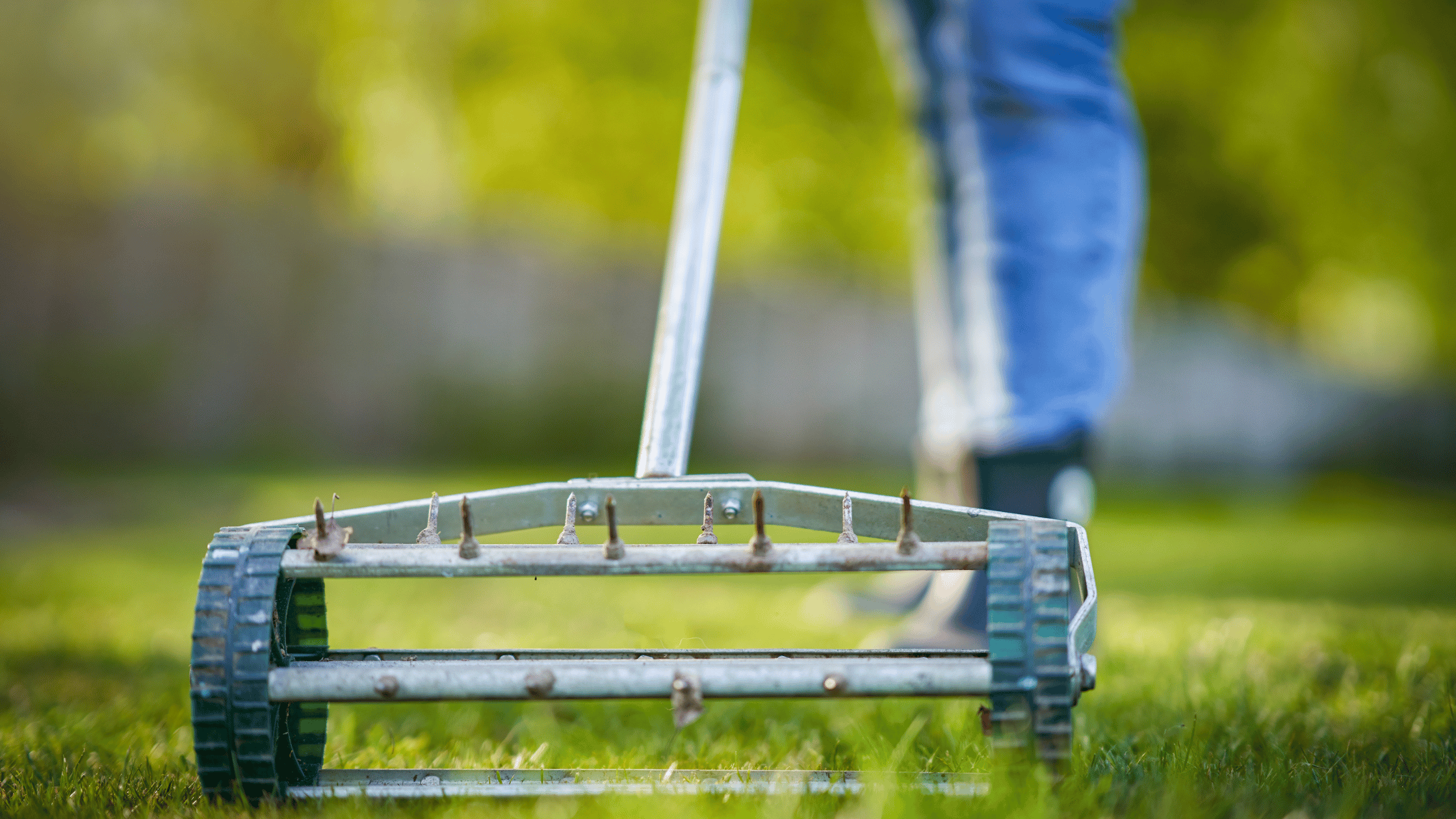
By utilizing a commercial aerator to pull hollow, 2-to-3-inch soil plugs (cores) out of the earth, you physically open up the soil profile. This process creates a direct highway to the root zone.
When you broadcast seed immediately after a double-pass aeration, the seeds fall directly into these newly created core holes. Inside these holes, the seeds are shielded from drying winds, protected from birds, and surrounded by moist, loose soil. This creates the absolute perfect microclimate for root development.
The 4-Week Aeration & Overseeding Plan
To ensure your lawn is fully prepared for seed, follow this week-by-week, professional preparation timeline during the month of August. We’ve also created a Second Spring Timeline you can print and use for your yard project.
Week 1: Weed Eradication & Thatch Assessment
Your primary goal in early August is to clear out any aggressive weeds that will compete with your new grass.
Action: Apply a targeted, selective liquid herbicide to eliminate broadleaf weeds and crabgrass. You must do this early because you cannot apply weed control once the grass seed is down (it will kill the emerging seedlings).
- Assessment: Measure your thatch layer. If the spongy layer of organic debris on top of the soil is thicker than 1/2 inch, perform a light power-raking (dethatching) to clear the way for your seeds.
PDF
Week 2: Deep Hydration and Soil Testing
Compacted summer soil is notoriously difficult to aerate. If the ground is dry and hard, the aerator tines will bounce off the surface or pull shallow, ineffective plugs.
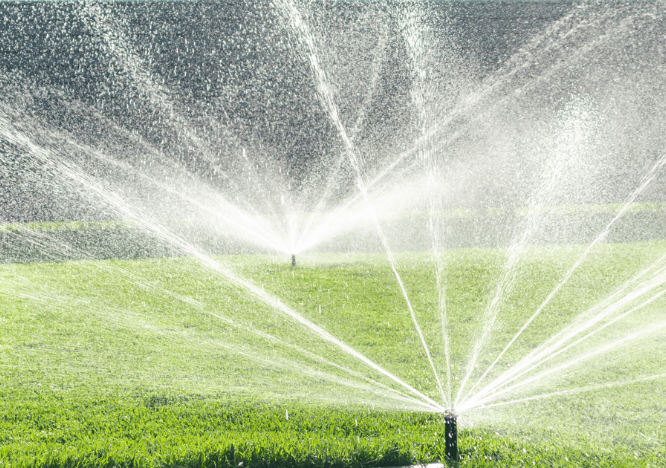
- Action: Begin watering your lawn deeply twice a week to saturate the top 6 inches of soil. This lubricates the ground, allowing the core aerator to pull deep, clean plugs.
- Testing: This is also the ideal time to run a simple soil test. Testing your soil pH ensures that when the new seed sprouts, the ground is chemically balanced to feed it.
Week 3: The Short Cut (Scalping & Bagging)
As you approach the target seeding date, you need to change your mowing habits.
- Action: Gradually lower your mower blade and cut your lawn down to a height of approximately 1.5 to 2 inches.
PDF - Reason: This "scalping" temporarily stunts the growth of your existing, mature grass, preventing it from towering over and shading out the tiny, incoming seedlings. Be sure to bag and remove all lawn clippings to ensure there is nothing left on the surface to block the seed from hitting the soil.
PDF
Week 4: Aeration, Seeding, and Starter Fertilizer
This is the day your hard prep work pays off.
- Action: Run a commercial-grade core aerator over your lawn. For best results, perform a "double-pass" over the entire yard, crossing in a grid pattern. This leaves plenty of open holes and breaks up surface compaction.
- Execution: Immediately spread your premium, blue-tag certified grass seed and apply a high-quality starter fertilizer. The starter fertilizer must contain a balanced ratio of phosphorus to encourage rapid, deep root development.
Post-Care
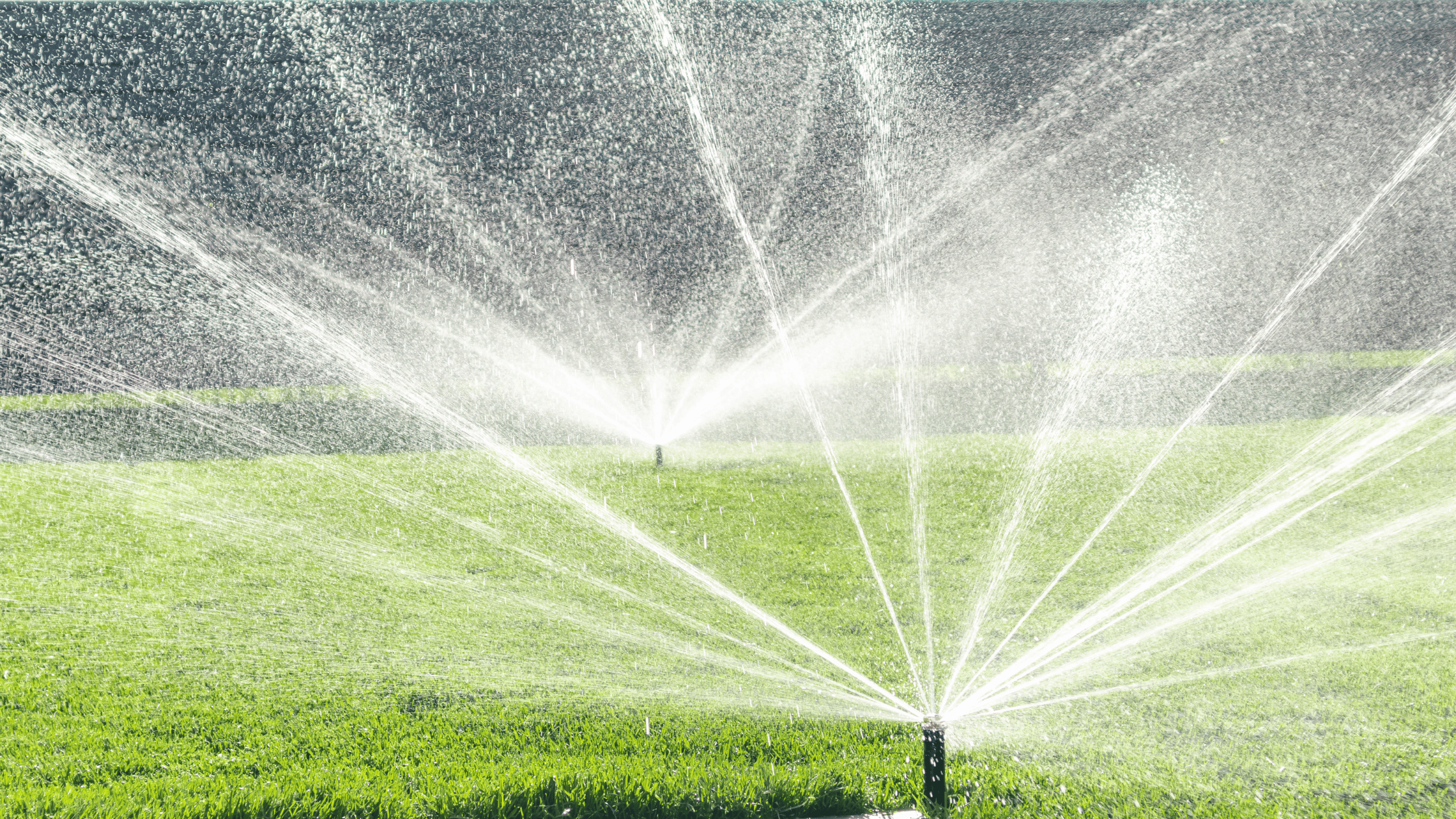
Once your seed is in the ground, your irrigation strategy dictates whether your project succeeds or fails. If grass seed dries out even once after it has begun the cellular process of germination, the sprout will die. It is critical that you are diligent in keeping your seed watered for the first 21 days.
Common Overseeding Mistakes to Avoid
Avoid these three common pitfalls that ruin otherwise perfect lawn care projects:
Buying Cheap, Low-Grade Retail Seed
Cheap grass seed from big-box stores is often loaded with filler materials, inert matter, and a high percentage of weed seeds. Always look for Blue-Tag Certified Seed. The blue tag guarantees that the seed has been tested, meets strict purity standards, and is highly adapted to perform beautifully in your specific climate.
Applying Pre-Emergent Weed Barriers Too Close to Seeding
Pre-emergent herbicides work by creating a chemical barrier in the top layer of soil that stops seeds from growing. These chemical barriers do not know the difference between a dandelion seed and a premium grass seed. Never apply pre-emergents within 60 days of overseeding.
3. Mowing Your New Sprouts Too Early
It is incredibly tempting to mow your lawn as soon as the existing grass begins to look shaggy. However, running a heavy, vibrating lawnmower over fragile, newly sprouted seedlings can pull them straight out of the ground. Wait at least 3 to 4 weeks after overseeding before you mow, and make sure your mower blades are professionally sharpened to prevent tearing the young grass.
Ready to Hand Over the Heavy Lifting?
Achieving a flawless, thick lawn shouldn't cost you all of your late-summer weekends. Core aeration requires specialized, heavy machinery, and getting the perfect seed distribution requires the right equipment and precise planning.
At Boulder Creek Outdoor Living, we handle the entire process for you:
- Professional Core Aeration: Double-pass aeration utilizing top-tier commercial equipment.
- Premium Blue-Tag Certified Seed: Custom seed blends selected for your property’s sun, shade, and soil profile.
- Starter Nutrition: Expertly calibrated slow-release fertilizer designed for rapid root development.
Let us handle the heavy lifting this August, so you can enjoy a thick, green, weed-free outdoor living space in 2027.