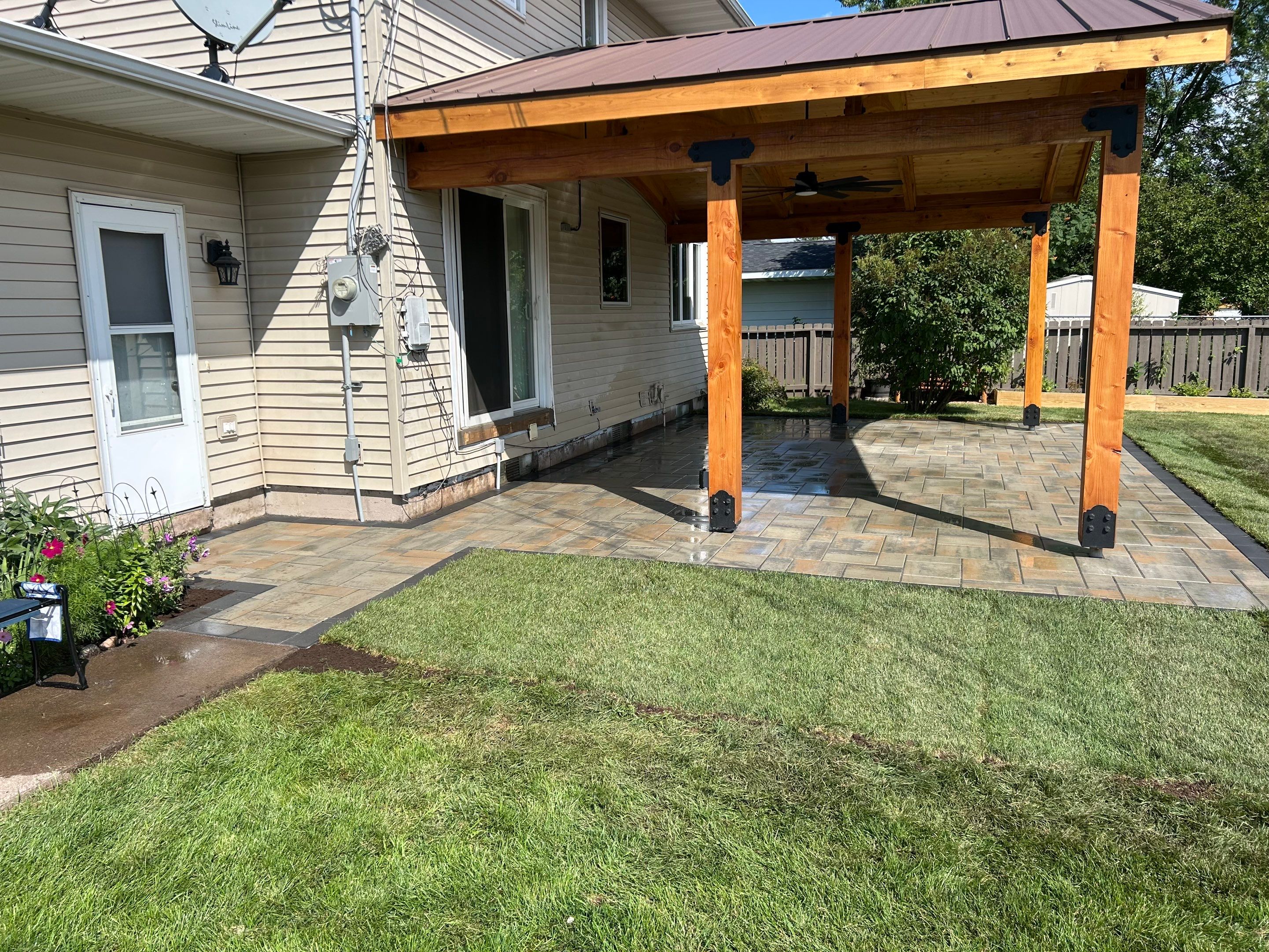
Buying a home is often a series of compromises, but few things are as visually jarring as a "half-finished" yard. For many homeowners in Duluth, the Iron Range, and along the North Shore, property ownership comes with some abandoned projects—the half-laid patio, the silt fence that’s been standing for two seasons, or the perennial bed that was started with enthusiasm but eventually surrendered to the creeping quackgrass.
Whether you’ve inherited an unfinished project from a previous owner or you’ve simply hit a wall with your own DIY efforts, an incomplete landscape is more than just an eyesore. In a rugged climate, like Northern Minnesota, an unmanaged outdoor space can lead to drainage failures, soil erosion, and a significant hit to your property value.
At Boulder Creek Outdoor Living, we specialize in "landscape rescue." We understand the unique fatigue that comes with an abandoned project, and we know exactly how to turn a site of frustration into a finished and functional space. In this guide, we will explore why projects stall, the hidden risks of leaving them unfinished, and how to strategically complete your outdoor living space.
The Anatomy of an Abandoned Landscape: Why Projects Stall
Understanding why a project stopped is the first step toward finishing it. In our region, there are usually three main culprits:
1. The "Zone 3" Reality Check
Many homeowners start projects in late May with visions of lush, temperate gardens they saw on social media. By mid-July, when they realize the soil is mostly basalt rock or heavy taconite clay, the "easy" weekend project becomes a grueling labor of love. When the physical demands of the North Country soil meet the reality of a short growing season, many DIYers simply lose steam.
2. The Budget Gap
Landscaping is often the last part of a home build or renovation, meaning it’s often funded by "whatever is left over." When unexpected costs arise during a kitchen remodel or a roof repair, the patio or the retaining wall is usually the first thing to be cut. This results in "functional but unfinished" spaces—pavers that were never sanded, or a fire pit area that remains a circle of gravel.
3. The Contractor "Ghosting"
Unfortunately, the construction industry in Northern Minnesota is busy. Homeowners often find themselves with a project started by a fly-by-night contractor who disappeared when a bigger job came along. Leaving a site "open" with exposed dirt and unfinished stone work is a recipe for long-term structural damage.
The Hidden Risks of an Unfinished Yard
It is tempting to look at an unfinished landscape and think, "I'll get to it next year." However, in the Duluth and Iron Range regions, our weather is not kind to exposed sites.
Erosion and Soil Loss
Without groundcover or a finished retaining wall, our intense spring thaws and autumn rainfalls will literally wash your investment away. Exposed topsoil is easily displaced, and once that nutrient-rich layer is gone, you are left with the challenging subsoil that makes planting even harder.
Drainage and Foundation Issues
Landscaping isn't just about beauty; it’s about water management. An abandoned grading project can inadvertently direct water toward your foundation. If a slope was started but not finished with proper drainage tile or a rain garden, you risk basement flooding and mold issues—problems that are far more expensive to fix than a garden bed.
Invasive Species Takeover
Nature abhors a vacuum. If you leave a patch of dirt "open," it won't stay that way for long. In Northern Minnesota, invasive species like buckthorn, tansy, and spotted knapweed are quick to move into disturbed soil. Once these species take root in an abandoned landscape, the cost of clearing them can double the original budget of the project.
Step 1: The Landscape Audit
Before you buy more plants or hire a crew, you need to conduct a professional-grade audit of what you currently have. This is where Boulder Creek Outdoor Living often begins with our clients.
- Structural Integrity: Check unfinished walls. Are the blocks leaning? Is there evidence of "frost heave" from a winter spent without proper backfill?
- Drainage Check: During the next rainstorm, put on your boots and go outside. Where is the water pooling? Is the "half-finished" grading actually causing harm?
- Inventory: What materials are already on-site? Can those left-over pavers be integrated into a new design, or are they a different dye-lot that will never match?
Step 2: Prioritizing "Phase One" Completion
When you’re staring at a mess, the key is to stop trying to do everything at once. We recommend prioritizing completion based on function and protection.
Finish the Grading First
If your yard is a mud pit, your first priority must be grading and seeding. Establishing a "green base" prevents erosion and immediately makes the property look cared for. Even if you aren't ready for the final flower beds, getting a healthy lawn or a native clover groundcover established will stabilize the site.
Secure the Hardscape
If you have an unfinished stone wall or a patio that is missing its edge restraints, finish those first. Hardscapes are the most expensive part of your landscape; letting them sit unfinished allows the freeze-thaw cycle of the North Shore to shift the stones, potentially requiring a total "tear-out and redo" later.
Step 3: Choosing Plants That Close the Gaps
One of the best ways to "hide" an unfinished project or soften a transition area is through strategic planting. For the Iron Range and North Shore regions, we look for high-growth, high-impact species that can thrive with minimal intervention.
The "Filler" Shrubs
To quickly fill in a large, abandoned garden bed, look for Ninebark or Redosier Dogwood. These species grow quickly, provide instant height, and offer year-round color. Because they are native to our region, they can handle the neglect that often happens when a homeowner is feeling overwhelmed.
Establishing the "Living Screen"
If your abandoned project has left you feeling exposed to the neighbors, prioritize a privacy screen. Instead of waiting for a fence permit, consider a staggered row of Techny Arborvitae or Black Hills Spruce. These evergreens provide a finished look within a single season and offer a sense of "enclosure" that makes even an unfinished yard feel like a private room.
Step 4: The Hardscape Pivot
Sometimes, a project is abandoned because the original design was simply too complex or expensive for the DIYer to finish. In these cases, we recommend a "Hardscape Pivot."
If a massive, multi-level paver patio is stalled, consider pivoting to a Natural Flagstone or Crushed Granite area. These materials are more forgiving of the uneven terrain found in Duluth and the Iron Range. They provide a "rugged-refined" look that fits the North Shore aesthetic while being significantly easier to install and maintain than precision-cut pavers.
Integrating large Basalt Boulders (abundant in our region) is another way to "finish" a space quickly. A well-placed boulder can take up a large amount of square footage, provide a natural seat, and eliminate the need for complex plantings or small-scale stone work.
Why Professional Intervention Saves Money
It is a common misconception that hiring a professional landscape firm like Boulder Creek is more expensive than "doing it yourself over time." In reality, the cost of fixing a failed DIY project is almost always higher than doing it right the first time.
When we step into an abandoned landscape in Virginia, Grand Marais, or Two Harbors, we bring the heavy equipment and specialized knowledge required for our climate.
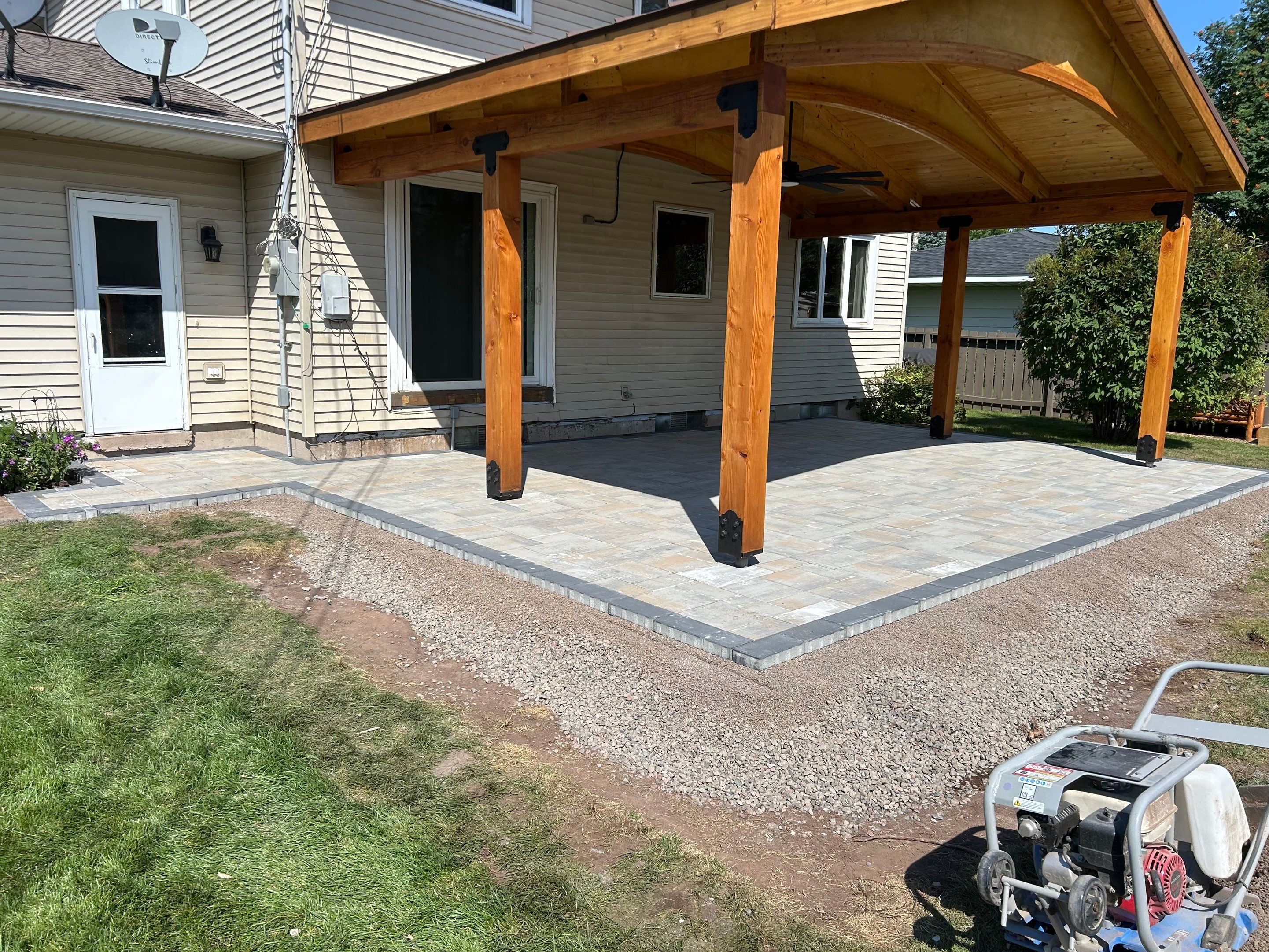
- Proper Compaction: We use industrial-grade plate compactors to ensure your patio doesn't sink after the first spring thaw.
- Climate-Correct Materials: We know which stone suppliers provide local granite that won't flake and which nurseries carry the hardiest Zone 3 stock.
- Efficiency: What might take a homeowner four weekends to finish, our crew can often complete in two days, allowing you to actually enjoy your summer instead of spending it in a trench.
For more information on the long-term value of professional landscaping, the National Association of Landscape Professionals offers excellent data on how finished outdoor spaces contribute to home equity.
Creating a Multi-Year Completion Plan
If budget is the reason your project is sitting incomplete, the answer is a Phased Master Plan. At Boulder Creek, we work with many homeowners on the Iron Range to create a "roadmap" for their yard.
- Year One: Stability. Focus on grading, drainage, and the "bones" of the hardscape (retaining walls and main walkways).
- Year Two: Function. Install the primary living areas, such as the patio, fire pit, or outdoor kitchen.
- Year Three: Aesthetics. This is the year for the "softscape"—perennials, ornamental shrubs, and lighting.
By having a professional plan in place, every dollar you spend—even if it's over several years—is moving toward a cohesive final goal. No more "buying three plants at the garden center" only to realize they don't fit the overall design.
Final Thoughts: Turning "Unfinished" into "Understated"
There is a unique beauty to the Northern Minnesota landscape—it is rugged, natural, and a little bit wild. Your yard doesn't need to look like a manicured country club in the suburbs of Minneapolis. It should look like it belongs on the North Shore.
If you are staring at an incomplete landscape, don't let the frustration win. Whether you need a few hours of professional grading to fix a drainage issue or a full team to finish the stone patio of your dreams, there is always a path to completion.
A finished landscape is an investment in your home, your mental health, and your ability to enjoy the limited (but beautiful) summer months we get here in the North.
Ready to move your project from "abandoned" to "admired"?
Contact Boulder Creek Outdoor Living today for a consultation. Let’s look at what you’ve started, figure out the best way to move forward, and finally get that project off your "to-do" list and into your "ready-to-enjoy" list.