For homeowners in Northern Minnesota, a beautiful landscape doesn’t just happen out of luck—it takes hours and hours of dedication. Between the harsh winters of the Iron Range and the salt-sprayed North Shore, our climate zone is one of the most challenging in the United States. We aren't just gardening in Zone 3 and 4; we are working within a unique landscape shaped by the deep freezes of the Range and the unpredictability of Lake Superior.
At Boulder Creek Outdoor Living, we believe that a rugged climate shouldn’t limit your outdoor options. Whether you are looking to frame a view of Lake Superior or create a backyard escape in Virginia, Hibbing, or Duluth, the key to success is working with Mother Nature, not against her.
The Science of the "North Country" Climate
Before picking out a single shrub, you must understand your specific microclimate. Northern Minnesota is primarily categorized into USDA Plant Hardiness Zones 3 and 4, but the geography creates distinct challenges that a simple number on a map cannot fully explain.
Zone 3: The Iron Range & Border Country
Towns like Ely, Tower, and Hibbing can see temperatures plummet to −40∘F. In these areas, the "frost line"—the depth to which the groundwater in the soil is expected to freeze—goes incredibly deep. Plants here must be more than just cold-hardy; they must be capable of surviving deep ground freezes that can last five months or more. The soil here is often "heavy," with high iron content and taconite remnants, requiring plants that can handle unique mineral profiles and potentially lower pH levels.
Zone 4: The North Shore & Duluth
While Lake Superior provides a slight moderating effect on temperatures (often staying 10 degrees warmer than the Range in mid-winter), it introduces the "Lake Effect." This results in high humidity, intense wind gusts that can desiccate evergreen needles (winter burn), and late-spring thaws. These thaws can trick plants into budding too early, only to have those delicate new shoots hit by a May blizzard.
When selecting plants, we always recommend looking for varieties specifically bred or trialed for our extreme conditions. Instead of a physical seal, look for tags that specify "Hardy to Zone 3" or "Developed by the University of Minnesota." These designations ensure the plant has been rigorously tested by the University of Minnesota’s Cold Hardy Plant Program, which is the gold standard for understanding which cultivars can actually handle a polar vortex.
Structural Stars: Trees for the North
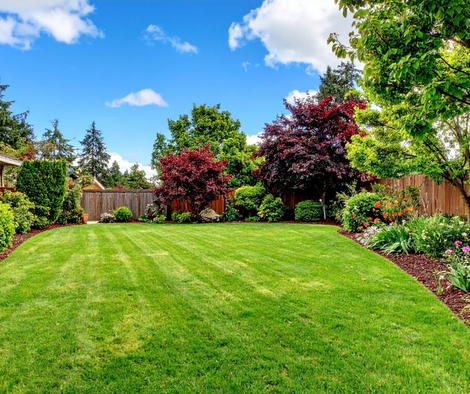
Trees are the bones of your landscape. In the North, they serve as windbreaks, privacy screens, and the primary source of autumn color. In a professional landscape plan, we look at trees as long-term investments that must withstand decades of heavy snow and ice.
The Evergreen Fortress
Evergreens are non-negotiable. Without them, your landscape disappears for six months of the year, leaving your home looking exposed and barren.
- Black Hills Spruce (Picea glauca 'Densata'): A tougher, more drought-tolerant cousin of the White Spruce. It holds its dense, conical shape perfectly against heavy snow loads and resists the "winter browning" that plagues lesser species.
- Balsam Fir: The literal scent of the North Shore. It thrives in the cool, moist soils found near the lake and provides a soft, lush texture that contrasts beautifully with rugged rock outcroppings.
- Techny Arborvitae: If you need a "living fence" for privacy in Duluth or Grand Marais, this is the most cold-hardy choice. It is far superior to the "Emerald Green" variety, which often struggles in our zone.
- Tamarack (Larch): Unique because it is a deciduous conifer. Its needles turn a brilliant gold in the fall before dropping, offering a spectacular show in boggy or wet areas of your property where other trees might suffer from "wet feet."
Hardwood Icons
- Paper Birch (Betula papyrifera): Nothing says "Northern Minnesota" like the white bark of a Birch against a blue sky. They thrive in the rocky, acidic soils of the Iron Range but require consistent moisture to fend off the bronze birch borer.
- Autumn Blaze Maple: If you want that iconic fiery red fall color, this hybrid is a fast grower that can handle the heavy clay soils often found in our region. It’s a cross between a Silver and Red Maple, giving it strength and beauty.
- Quaking Aspen: Perfect for larger properties, these trees are known for their unique, rustling leaves. Because the leaf stalks are flattened, even the slightest breeze causes the foliage to flutter and click together, creating a soothing sound similar to a soft rain. They are also excellent for naturalizing a property line.
- Ironwood (Ostrya virginiana): An underrated native. It is incredibly slow-growing but produces wood so dense it was traditionally used for tool handles. It’s perfect for small yards because it stays compact and holds its tan leaves through much of the winter, providing a "rustling" sound in the wind.
Hardy Shrubs for Year-Round Interest
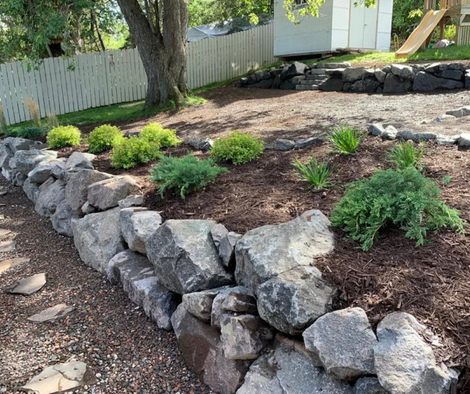
Shrubs fill the mid-level of your landscape, bridging the gap between towering trees and low-growing perennials. We look for species that offer "multi-seasonal interest"—flowers in spring, berries in summer, and interesting branch structures in winter.
The North Country Hydrangea
Many homeowners are disappointed when their "Big Leaf" Blue Hydrangeas fail to bloom. In the North, you need Panicle Hydrangeas (Hydrangea paniculata).
- 'Limelight': Reaches 6-8 feet and provides massive chartreuse blooms that fade to a dusty pink in autumn.
- 'Bobo': A dwarf variety perfect for small borders, it gets so covered in white flowers that you can barely see the leaves. These bloom on "new wood," meaning even if the winter kills the branches back to the ground, the plant will still produce flowers in August.
The Berry Producers
- Serviceberry (Juneberry): A Boulder Creek favorite. It offers delicate white flowers in spring, edible berries in June that taste like a mix of blueberry and almond, and stunning orange-red foliage in the fall.
- Redosier Dogwood: Essential for winter. When the leaves drop, the stems turn a brilliant, blood-red. Against the white Minnesota snow, there is no better color contrast.
- Highbush Cranberry: A native powerhouse. It offers white lacecap flowers and bright red berries that persist well into winter, providing a vital food source for cedar waxwings and other songbirds.
The Low-Maintenance Workhorses
- Ninebark (Physocarpus): Cultivars like 'Diabolo' (dark purple) or 'Amber Jubilee' (orange/yellow) provide a pop of color that doesn't rely on flowers. The exfoliating bark adds texture in the winter.
- Potentilla: It may seem "old school," but Potentilla is one of the few shrubs that will bloom from June until the first hard frost in October. It is virtually indestructible and can handle poor, rocky soils.
Perennials: The Color of the North
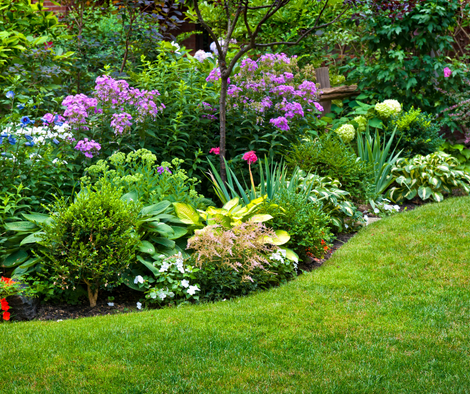
Perennials in Northern Minnesota need to be "sleepers." They need to stay dormant long enough to avoid the "false spring" but explode with growth once the soil finally warms in June.
The Heavy Hitters
- Peonies: The unofficial flower of the Iron Range. Peonies actually need the cold to bloom well. Once established, they can live for 50 years, surviving even the harshest winters.
- Siberian Iris: Unlike the delicate Bearded Iris, the Siberian variety is sturdy and moisture-tolerant. It’s perfect for those "low spots" in the yard that stay damp after the snow melts.
- Hosta: For the shaded areas under your Birch and Pine trees, Hostas are king. Look for 'Blue Mouse Ears' for a small accent or the giant 'Sum and Substance' to fill large gaps.
- Bleeding Heart: A spring classic that thrives in the cool, damp springs of the North Shore. Its heart-shaped blooms are a harbinger of the true growing season.
Pollinator Powerhouses
- Wild Columbine: A native that thrives in partial shade and attracts hummingbirds with its unique red and yellow spurs.
- Blazing Star (Liatris): A magnet for butterflies and incredibly drought-tolerant once established. Its spike-like purple flowers bloom from the top down.
- Lupine: While the classic purple lupines are a North Shore staple, ensure you are planting the native Lupinus perennis to support local pollinators.
- Bee Balm (Monarda): Specifically the 'Jacob Cline' variety for mildew resistance. It provides an explosion of red color in mid-summer and is a favorite for bees and butterflies alike.
Designing for Geography: North Shore vs. Iron Range
While both regions are cold, the soil chemistry and topography differ significantly. At Boulder Creek, we tailor our designs to these specific geological realities.
The North Shore Approach
Landscaping in Duluth or Two Harbors often involves dealing with steep slopes and basalt rock outcroppings.
- Erosion Control: Use deep-rooted plants like Fragrant Sumac or Creeping Juniper to hold soil on hillsides.
- Salt Tolerance: If you are near Highway 61, you need plants that can handle road salt spray. Rugosa Roses and Russian Sage are excellent salt-tolerant choices.
- Wind Protection: Using hardscaping, like stacked stone walls or terraced planters, can create "pockets" of warmth (microclimates) for more sensitive plants.
The Iron Range Approach
Landscaping in Virginia, Mountain Iron, or Eveleth often deals with highly acidic soils and high mineral content.
- The Edible Landscape: This is the perfect environment for Blueberries and Lingonberries. These thrive in acidic soil and provide beautiful, low-growing groundcover that is as functional as it is aesthetic.
- Raised Beds: If your soil is too "taconite-heavy" or rocky to dig, raised beds built from cedar or native stone allow you to control the soil quality and drainage perfectly.
- Hardy Fruit Trees: Contrary to belief, you can grow fruit on the Range. Look for 'Honeycrisp' apples(developed right here in MN) or 'Northstar' cherries, which are bred specifically for cold climates.
Hardscaping: The Boulder Creek Difference
In Northern Minnesota, your plants are only half the story. Because the growing season is short, Hardscaping—the use of stone, pavers, and structures—is what defines your outdoor living space year-round.
At Boulder Creek, we specialize in using native Minnesota stone. Large basalt boulders or local granite flagstone don't just look natural; they handle the freeze-thaw cycle of our climate without cracking. A well-designed stone fire pit or a sheltered outdoor kitchen extends your "patio season" from early May through late October.
When you invest in professional hardscaping, you are creating a "frame" for your plants. Even in the dead of winter, a stone wall or a timber pergola provides visual interest when the perennials are buried under three feet of snow. For more on the standards of professional landscape design, visit the National Association of Landscape Professionals.
The Maintenance Calendar for Zone 3/4
To keep a professional landscape looking its best, you need a schedule that respects the unique timing of our northern seasons.
Spring (May - June)
- Patience is a Virtue: Do not prune your shrubs until you see green buds. Cutting too early can remove the very growth you've been waiting for.
- Clean Up: Remove the dead stalks of last year's perennials once nighttime temperatures stay above 50∘F to protect hibernating pollinators.
- Soil Prep: Add organic compost to your beds to replenish nutrients lost during the winter.
Summer (July - August)
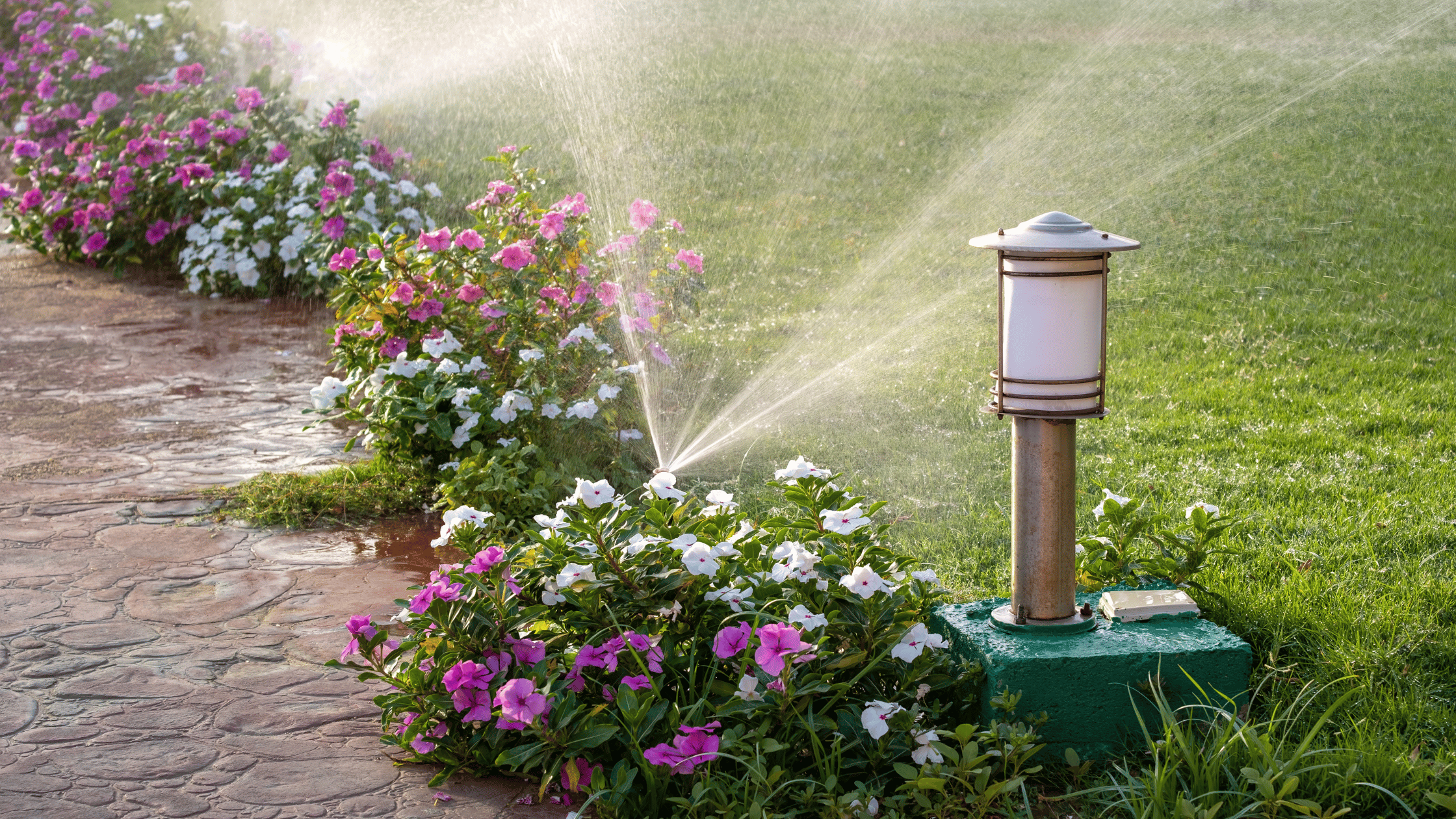
- Watering: Deep, infrequent watering is better than daily sprinkles. You want the roots to go deep into the soil to survive the eventual winter freeze.
- Mulching: Maintain a 3-inch layer of shredded bark mulch to keep roots cool and retain moisture during our increasingly hot July days.
Fall (September - October)
- Planting: Fall is actually the best time to plant trees and shrubs in the North. The cool air and warm soil are perfect for root establishment without the stress of summer heat.
- The "Big Snip" Debate: Resist the urge to cut back everything. Leaving seed heads provides food for winter birds and helps trap snow, which acts as a natural insulator for the roots.
Winter (November - April)
- Evergreen Protection: For young evergreens on the North Shore, use burlap screens to protect them from the drying "winter burn" caused by lake winds.
- Anti-Desiccant Sprays: These can be applied in late November to help needles retain moisture through the long freeze.
Building a Legacy Landscape
Selecting the right plants for the Iron Range or the North Shore is a science, but designing a space you love is an art. A successful Northern Minnesota landscape isn't built in a single weekend; it is a living, breathing ecosystem that matures over decades.
Don't spend your weekends at the big-box store buying plants that aren't rated for our specific zip codes. Whether you are looking for a complete landscape overhaul or want to install a rugged, beautiful stone patio framed by Minnesota-hardy greenery, Boulder Creek Outdoor Living is here to help. We know this land because we live here, and we know exactly what it takes to make a landscape thrive in the beautiful, brutal North.
[Contact us today to schedule a consultation] and let’s start building an outdoor space that stands the test of time—and the North Country winter.