
For those of us living across the Iron Range, Duluth, and up the North Shore, the first real "green-up" of spring is just around the corner. There is something incredibly satisfying about watching the first patches of green starting to poke through the brown grass of last summer, and expand into a vibrant outdoor space. A lush, healthy lawn isn’t just about curb appeal; it’s the backdrop for our summer memories, from backyard graduation parties to quiet mornings on the patio.
However, if you’ve spent any time trying to grow new grass in our region of the US, you know that our local geography doesn't always make that process easy. Between the heavy, iron-rich clay of the Range and the unpredictable "Lake Effect" cooling the North Shore, we are operating in a climate that demands more than just a bag of seed and a prayer. Getting that "best-on-the-block" look requires a strategy that respects our unique Northern Minnesota conditions.
Iron Range Clay and North Shore Rock
The first thing we have to acknowledge is that the soil in our neck of the woods is a different beast entirely. If you’re living in Hibbing, Virginia, or Grand Rapids, you are likely familiar with red clay. While this soil is packed with minerals, it has a habit of acting like a sponge when it’s wet and a brick when it’s dry. If you try to establish a lawn on top of compacted clay without any preparation, the roots struggle to breathe, and you’ll find yourself dealing with standing water every time we get a heavy spring rain.
On the other hand, if your home overlooks Lake Superior, you’re dealing with the twin challenges of temperature and terrain. Lake Superior acts like a giant refrigerator well into June, keeping soil temperatures much lower than they are just twenty miles inland. If you rush to plant too early, the seed simply won't germinate. Combine that with the shallow topsoil and steep slopes common in Duluth and up the shore, and you have a recipe for erosion if you don’t have a solid plan to hold the ground in place.
Should You Seed or Sod?
When homeowners call us at Boulder Creek Outdoor Living, the conversation usually boils down to whether they should go with the "instant" gratification of sod or the "from-scratch" approach of seeding. There isn't a one-size-fits-all answer, as the right choice depends heavily on your property’s layout and your own goals for the summer.
The Case for Professional Seeding
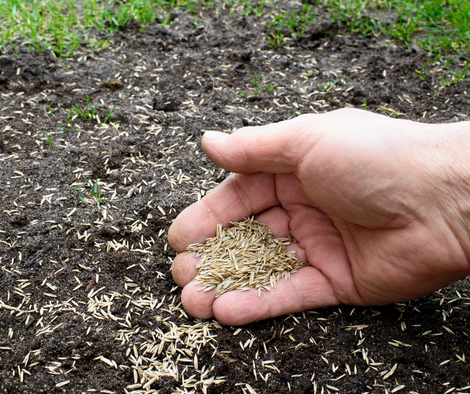
Seeding is often the preferred route for homeowners with larger lots or those who have very specific environmental needs. One of the biggest advantages of seeding is the ability to create a "bespoke" lawn. If your property is half-covered by the deep shade of old-growth pines and half-exposed to the blazing afternoon sun, we can tailor a seed mix that ensures both areas look uniform.
It’s also the more budget-friendly option for sprawling estates where laying thousands of square feet of sod might not be practical. While a seeded lawn takes a bit more patience—usually about 10 to 12 weeks before it’s truly established—the roots grow directly into your native soil from day one, which can lead to a very resilient lawn over the long term. The main trade-off is the "mud phase." You’ll need to keep the kids and dogs off the dirt for a significant amount of time, and you’ll have to be more vigilant about weeds while the grass is young.
The Case for Sod Installation
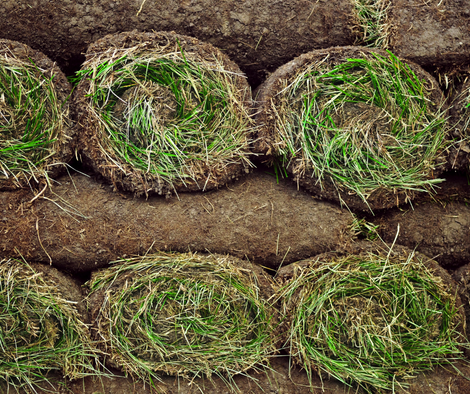
On the flip side, sod is essentially "instant grass." It is professionally grown at a turf farm for a couple of years before being harvested and delivered to your home in rolls. For the homeowner who wants their yard finished quickly, perhaps for a grad party or a family BBQ, there is no substitute. It’s a remarkable transformation to watch a dirt lot turn into a lush, green carpet in a single afternoon.
Beyond the immediate gratification, sod is a powerful tool for erosion control. If your yard has any kind of slope, a heavy spring downpour can wash away a seeded lawn in minutes. Sod acts like a heavy, living blanket that locks the soil down immediately. It’s also naturally weed-resistant because the turf is already so thick that weed seeds struggle to reach the soil. While it is a larger upfront investment, many of our clients find that the time saved and the immediate boost in property value make it well worth it.
The Foundation: It’s All About the Soil
Regardless of whether you choose to seed or sod, the real secret to success is hidden beneath the surface. Because our region is heavily wooded with evergreen trees, the soil in Northern Minnesota is notoriously acidic. Grass, however, is a bit of a "Goldilocks" plant—it prefers soil that is more neutral. If your soil pH is off, you can spend a fortune on the best fertilizer, but the grass simply won't be able to absorb the nutrients.
This is why we always start with testing. A simple soil test can tell us if we need to apply lime to balance out the acidity. We also spend a lot of time on grading. After a long winter, the frost often "heaves" the ground, pushing up new rocks and creating dips where water can pool. We make sure the site is cleared and leveled so that water flows away from your foundation and your lawn remains smooth for years to come.
Selecting the Right "Northwoods" Grass
You’ve probably seen "Sun and Shade" mixes at the big-box stores, but those are rarely designed for the realities of a -30°F Minnesota winter. We stick to "Cool Season" grasses that are built for our climate.
Kentucky Bluegrass is the gold standard for that classic, deep-green look and is incredibly hardy. For the more wooded properties along the North Shore, we often turn to Fine Fescues. These grasses are the "shade specialists" of the region and require less water and fertilizer than other varieties. If you are looking to integrate more local flora, the MN DNR Shoreline Plant Guide offers great insights into species that thrive in our specific boreal forest environment.
Lakeshore Rules: Being a Good Neighbor to the Water
If your property is on a lake, you have an extra layer of responsibility. The Minnesota DNR has regulations about how close to the water you can mow and what kind of fertilizers you can use to protect our water quality.
We specialize in what we call "Shoreline Stabilization." This means we can help you have a beautiful lawn near the house while using native plants and properly planned buffer zones near the water to prevent runoff from entering the lake. It keeps the lake clean, preserves the shoreline from erosion, and keeps your property in compliance with local laws.
Timing and the "First 30 Days"
In Northern Minnesota, patience is more than a virtue—it’s a requirement. We never recommend planting or laying sod until the soil temperature is consistently at 50°F. If you jump the gun in early May while the ground is still "gummy" and cold, you risk the grass rotting before it can even start to grow. In Duluth and on the Range, the "sweet spot" usually opens up in late May or early June.
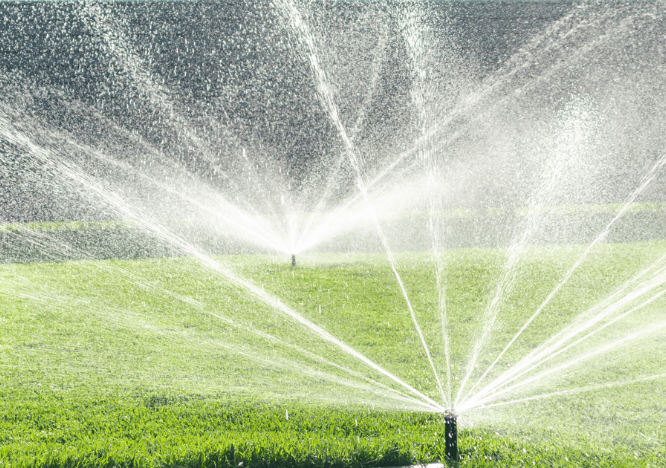
Once the lawn is in, the first 30 days are the most critical. You’ll want to keep the soil moist but not soggy, which usually means a couple of short watering sessions a day. And as tempting as it is to mow the lawn as soon as it looks a little tall, it’s best to wait until it reaches about four inches. Using a mower with sharp blades is vital; dull blades can tear the new grass right out of the soil or leave "frayed" ends that turn brown and invite disease.
Rejuvenating After Winter: A Word on Snow Mold
If you aren't doing a full lawn replacement but your current yard looks like it's seen better days, you might be noticing matted, gray circles in the grass. This is almost certainly "Snow Mold," a common result of our heavy snow cover. The good news is that it looks much worse than it actually is. Usually, a gentle raking to "fluff up" the matted areas and let some sunlight and air hit the soil is all it takes to jumpstart the recovery process.
Final Thoughts
Your outdoor space is an extension of your home, and we believe it should be a place of pride. Whether you are looking for the immediate results of premium sod on a lakeside estate or the careful establishment of a custom-seeded lawn on the Range, the goal is the same: a healthy, vibrant yard that stands up to the Minnesota elements.
At Boulder Creek Outdoor Living, we take the guesswork out of the process. We know the clay, the rock, and the weather patterns because we live and work right here with you. We’re here to help you navigate the regulations, the science, and the sweat equity it takes to create a lawn you’ll love for seasons to come.
Ready to start your spring transformation?
If you're looking for a partner to help you achieve a professional-grade lawn this year, we would love to chat. Reach out to the team at Boulder Creek Outdoor Living today for a consultation. Whether you're in Duluth, the Iron Range, or anywhere along the North Shore, let’s make this the year your yard becomes the envy of the neighborhood.