Spring is here, and it's time to awaken your Northern Minnesota landscape! Discover essential prep tips to ensure your outdoor space thrives this season.
Understanding the Northern Minnesota Climate
Spring in Northern Minnesota can be a fickle season, characterized by fluctuating temperatures, late frosts, and predictably unpredictable weather patterns. Understanding the nuances of this climate is crucial for successful landscaping. The region typically experiences a slow thaw, with snow lingering well into April and even May in some areas. This slow transition from winter to spring means that the soil remains cold and often soggy, making early planting a challenge.
In Northern Minnesota, spring can bring a mix of sunny days and sudden snowstorms, so it's essential to stay updated with local weather forecasts. This knowledge allows you to time your landscaping tasks appropriately and avoid damage to your plants from unexpected cold snaps. Also, the length of the growing season is shorter compared to more temperate regions, so maximizing every moment of favorable weather is key.
Understanding the local climate also means recognizing the potential for late frosts. These frosts can be detrimental to young plants and can set back your landscaping efforts if not managed properly. By keeping a close eye on the forecast and being ready to protect vulnerable plants with covers or cloches, you can mitigate some of the risks associated with Northern Minnesota's spring weather.
Importance of Soil Preparation
Soil preparation is the foundation of any successful landscaping project, and in Northern Minnesota, it’s particularly vital due to the region's unique soil conditions. The soil here tends to be heavy and clay-like, which can impede drainage and root growth if not properly managed. Starting your landscaping efforts with a thorough soil assessment can save you a lot of headaches down the line.
Begin by testing your soil's pH and nutrient levels. Many local extension services offer soil testing kits and can provide detailed reports on what your soil needs. Based on the results, you might need to amend your soil with organic matter, such as compost, to improve its structure and fertility. Adding organic matter can help break up clay soils, improve drainage, and provide essential nutrients for your plants.
Another crucial step in soil preparation is tilling. Tilling helps aerate the soil, making it easier for roots to penetrate and access nutrients. However, it's important not to till too early in the season when the soil is still wet, as this can lead to compaction and damage the soil structure. Wait until the soil has dried out a bit and is crumbly to the touch before you begin tilling.
Choosing the Right Plants for Spring
Selecting the right plants for your spring landscaping in Northern Minnesota is a balance between aesthetics and practicality. Given the shorter growing season and cooler temperatures, choosing hardy, cold-tolerant plants is essential. Native plants are often the best choice, as they are well-adapted to the local climate and soil conditions.
Perennials such as hostas, daylilies, and coneflowers are excellent choices for Northern Minnesota gardens. These plants can withstand cooler temperatures and will come back year after year, providing a reliable foundation for your landscape. Early-blooming bulbs like crocuses, daffodils, and tulips can add a splash of color to your garden and are well-suited to the region's spring climate.
When selecting shrubs and trees, consider species that are hardy to USDA Zone 3 or 4, such as lilacs, dogwoods, and maples. These plants can tolerate the cold winters and will thrive in the spring and summer months. Additionally, incorporating a variety of plants with different bloom times can ensure that your garden has continuous color and interest throughout the season.
Timing Your Spring Landscaping Tasks
Timing is everything when it comes to spring landscaping in Northern Minnesota. The fluctuating weather conditions and the possibility of late frosts make it essential to plan your tasks carefully. A well-thought-out schedule can help you make the most of the growing season and ensure that your plants get off to a healthy start.
Start by tackling tasks that can be done early in the season, such as cleaning up garden beds, pruning shrubs and trees, and removing any winter debris. These tasks prepare your landscape for planting and help to prevent the spread of disease. As the weather warms up and the soil dries out, you can move on to tasks like tilling and soil amendment.
Planting should be timed carefully to avoid damage from late frosts. Cold-tolerant plants and hardy perennials can be planted earlier in the season, while tender annuals and vegetables should be held off until the risk of frost has passed. Keep an eye on local frost dates and be prepared to protect your plants with covers or cloches if a late frost is forecasted.
Essential Tools for Spring Landscaping
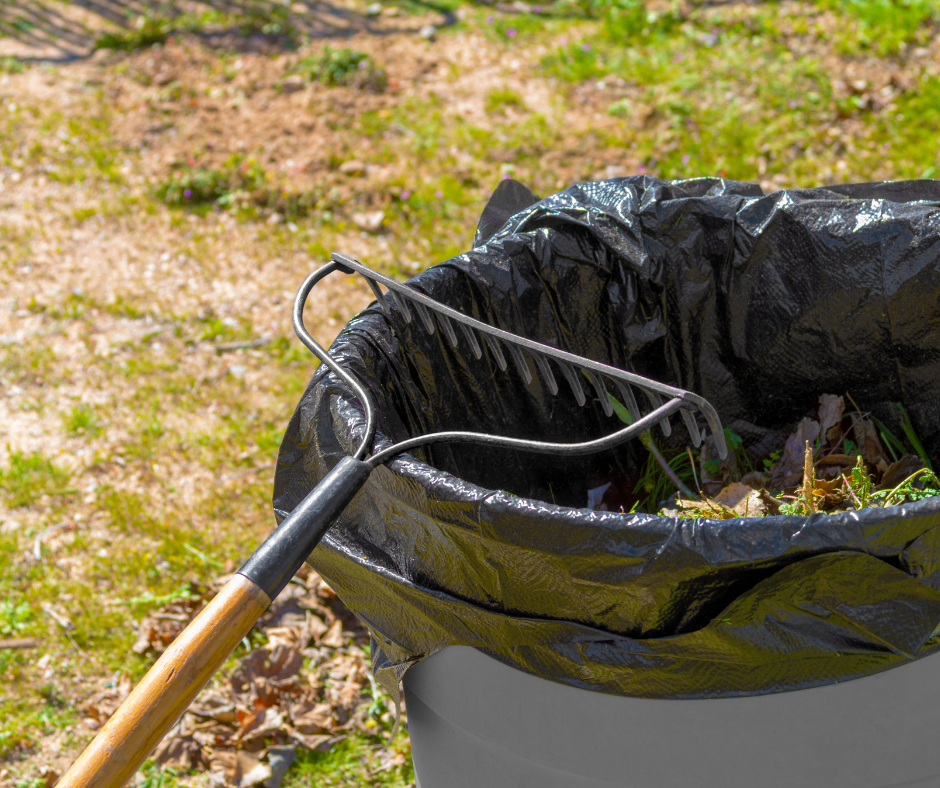
Having the right tools can make all the difference in your spring landscaping efforts. Investing in high-quality, durable tools can save you time and effort, and help you achieve better results. Start with basic tools like a sturdy shovel, a hoe for weeding, and a rake for smoothing soil and collecting debris.
Pruning tools are also essential for maintaining the health and appearance of your shrubs and trees. A pair of sharp pruning shears is a must-have for cutting back dead or damaged branches, and a pruning saw can be useful for larger branches. Make sure to clean and sharpen your tools regularly to ensure clean cuts and prevent the spread of disease.
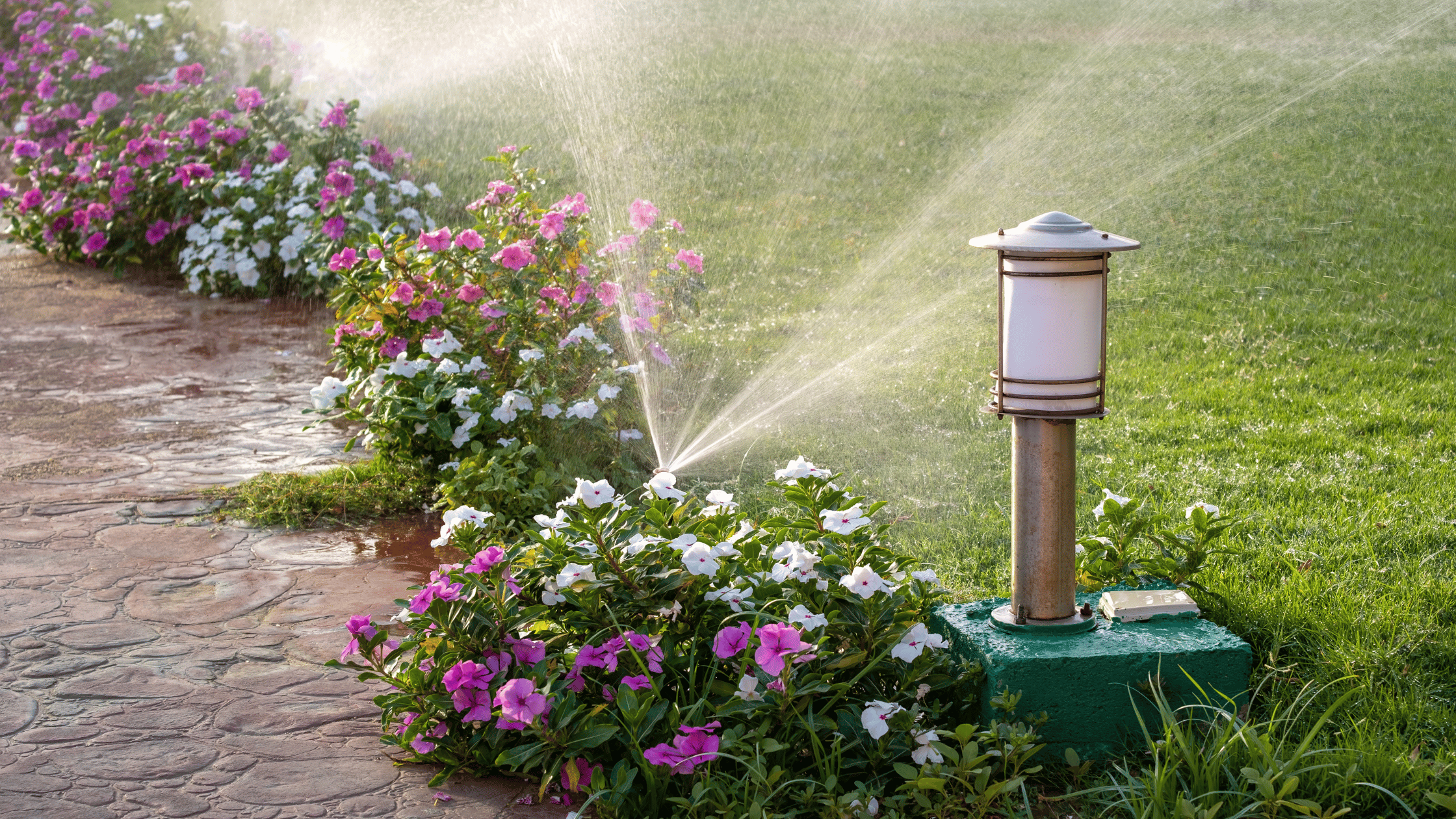
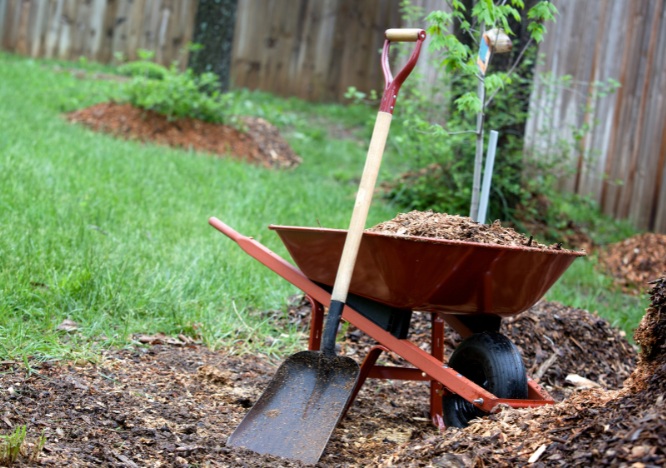
Other useful tools for spring landscaping include a wheelbarrow for transporting soil, mulch, and plants, and a garden hose with a spray nozzle for watering. A soil thermometer can also be helpful for determining when the soil is warm enough for planting. By having the right tools on hand, you can tackle your landscaping tasks efficiently and effectively.
Techniques for Effective Mulching
Mulching is a key practice in maintaining a healthy and attractive landscape. It helps to conserve soil moisture, suppress weeds, and regulate soil temperature. In Northern Minnesota, where the soil can be slow to warm up in the spring, mulching can also help to insulate the soil and protect plant roots from temperature fluctuations.
To mulch effectively, start by choosing the right type of mulch for your needs. Organic mulches, such as wood chips, straw, or shredded leaves, are a great choice as they decompose over time and add nutrients to the soil. Spread a layer of mulch about 2-4 inches thick around your plants, being careful not to pile it up against the stems or trunks, as this can lead to rot.
In addition to its practical benefits, mulch can also enhance the appearance of your garden. Choose a mulch color and texture that complements your landscape design. Dark-colored mulches, like bark or cocoa shells, can make your plants stand out, while lighter mulches, like straw or pine needles, can create a more natural look. Regularly replenish your mulch throughout the season to maintain its effectiveness and appearance.
Lawn Care Tips for a Healthy Start
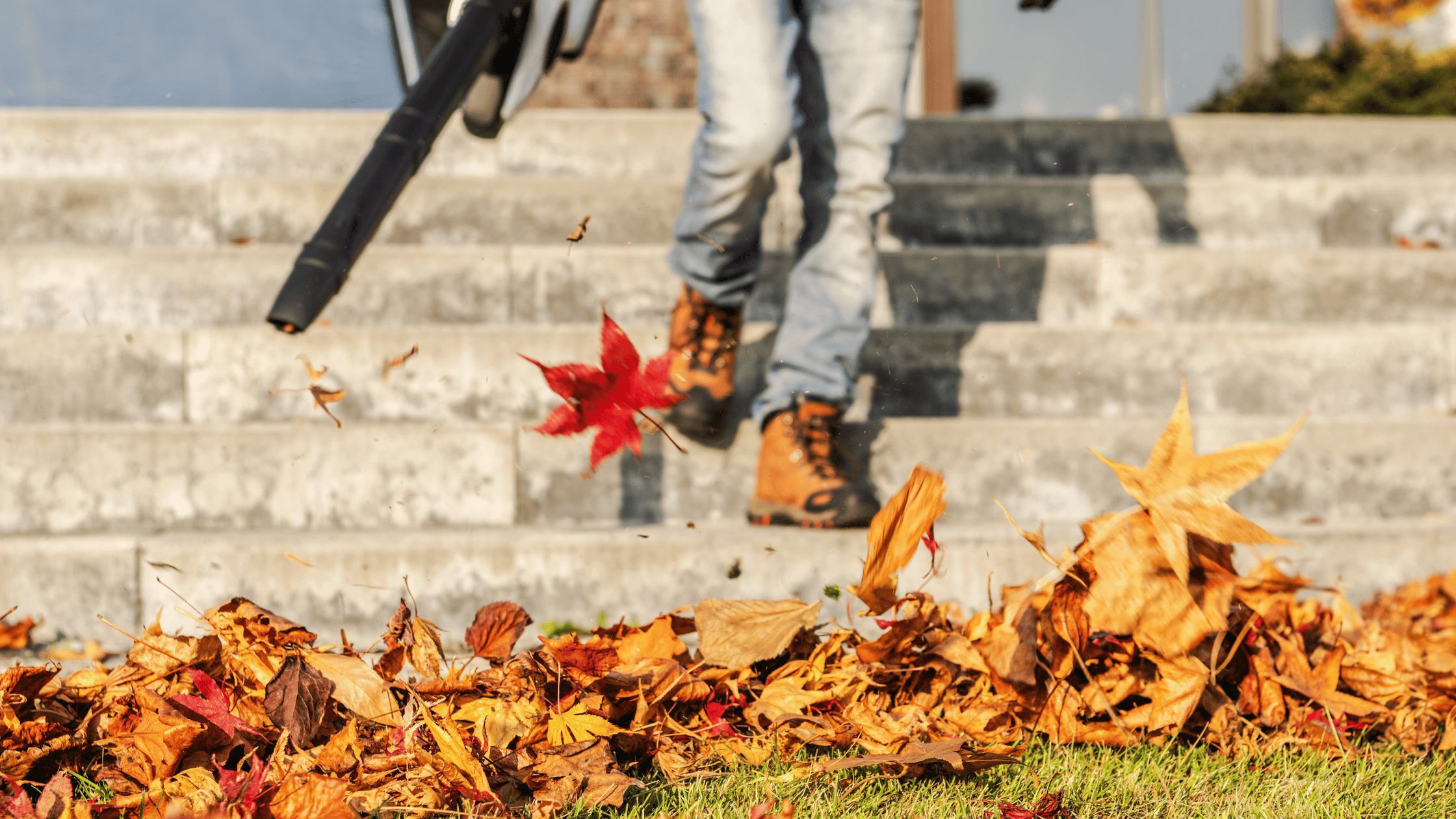
A lush, green lawn is often the centerpiece of a beautiful landscape, and spring is the perfect time to give your lawn the care it needs to thrive. Start by raking up any leaves, sticks, and debris that have accumulated over the winter. This will help to prevent thatch build-up and allow your grass to breathe and grow.
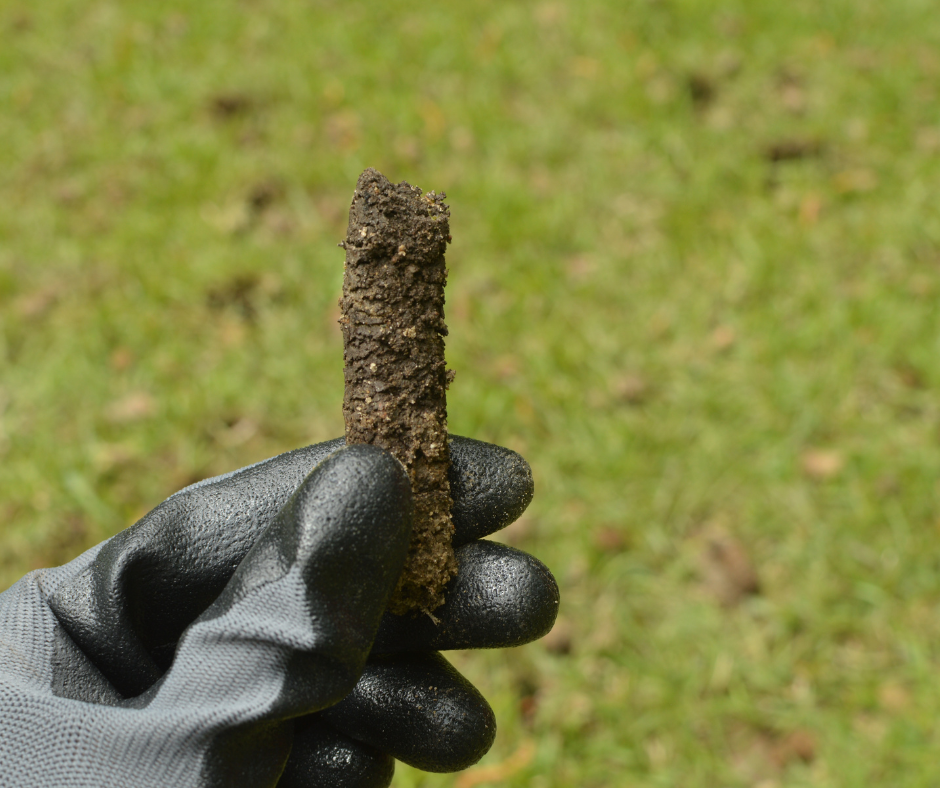
Next, consider aerating your lawn to relieve compaction and improve water and nutrient penetration. Aeration involves removing small plugs of soil from your lawn, which creates space for air, water, and nutrients to reach the roots. This can be done with a manual or mechanical aerator, and is especially beneficial for heavy clay soils common in Northern Minnesota.
Once your lawn is aerated, it's time to fertilize. Choose a balanced, slow-release fertilizer that provides the essential nutrients your grass needs to grow. Apply the fertilizer evenly, following the manufacturer's instructions, and water it in thoroughly. Regular mowing and watering throughout the season will also help to keep your lawn looking its best.
Managing Weeds and Pests in Spring
Weeds and pests can quickly become a nuisance in your garden if not managed properly. Spring is an ideal time to get a handle on these issues before they become more difficult to control. Start by identifying the common weeds and pests in your area, and develop a plan for managing them.
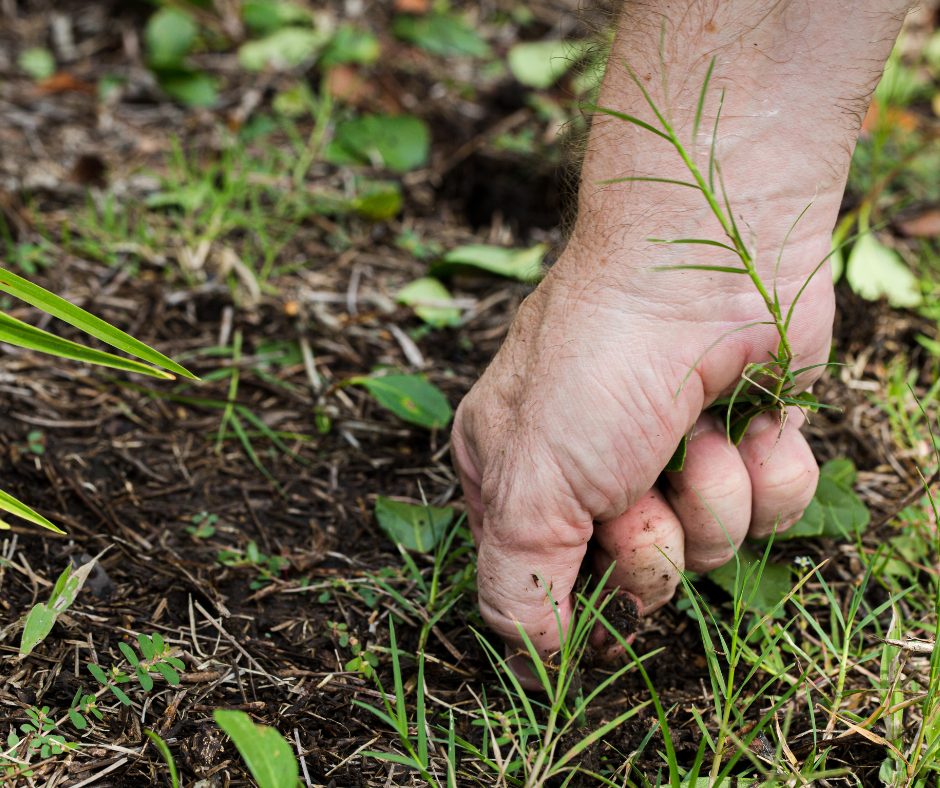
For weed control, hand-pulling is often the most effective method, especially for small infestations. Be sure to remove the entire root to prevent regrowth. Mulching, as mentioned earlier, can also help to suppress weeds by blocking sunlight and preventing weed seeds from germinating. For more persistent weeds, consider using a targeted herbicide, but be cautious not to harm your desirable plants.
When it comes to pests, early detection is key. Regularly inspect your plants for signs of damage, such as chewed leaves or discolored spots. If you notice any issues, try to identify the pest responsible and choose an appropriate control method. This could include natural predators, such as ladybugs for aphids, or organic insecticides for more severe infestations. By staying vigilant and proactive, you can keep your garden healthy and thriving.
Creating a Sustainable Landscape
Creating a sustainable landscape is not only beneficial for the environment, but it can also save you time and money in the long run. In Northern Minnesota, where the growing season is short and water resources can be limited, sustainable practices are especially important. Start by selecting native plants that are well-adapted to the local climate and require minimal water and maintenance.
Incorporating water-saving techniques, such as drip irrigation or soaker hoses, can help to reduce water usage and ensure that your plants receive the moisture they need. Mulching, as mentioned earlier, also plays a key role in conserving soil moisture and reducing the need for frequent watering. Additionally, consider installing rain barrels to collect and store rainwater for use in your garden.
Another important aspect of sustainable landscaping is reducing the use of chemical fertilizers and pesticides. Opt for organic alternatives and focus on building healthy soil through composting and the use of natural amendments. By creating a balanced ecosystem in your garden, you can encourage beneficial insects and microorganisms that help to keep pests and diseases in check.
Conclusion: Preparing for a Beautiful Spring Garden
Northern Minnesota is a place of incredible beauty. Your landscape is a living, breathing investment that requires a commitment to maintenance. If you take the time this April to clear the debris, flush the salt, inspect your hardscapes, and manage your drainage, you aren't just doing "yard work"—you are setting the stage for a summer of relaxation and pride.
We live here because we love the outdoors. Don't let your outdoor space be a source of stress. Take care of the heavy lifting now, so when the heat of summer arrives, the only thing you have to worry about is whether or not you have enough wood for the fire. So roll up your sleeves, grab your gardening gloves, and get ready to transform your Northern Minnesota landscape this spring!
Let Boulder Creek Outdoor Living Assist You
You don't have to tackle the Northwoods alone. At Boulder Creek Outdoor Living, we live and breathe this climate. We know which stones won't crack in a 40-below winter and which plants can survive the hungry deer and the unpredictable frost.
Whether you need a professional crew to handle your post-winter recovery or you're ready to overhaul your property with a custom patio, retaining wall, or outdoor living suite, we’re ready to get to work. We take pride in our approach: honest advice, rugged engineering, and a passion for keeping the Northwoods beautiful. Maybe you have parents that aren’t able to keep up with the spring cleanup the way they used to. A spring cleanup from their kids is a great way to support them, and keep their yard looking as sharp as when your dad used to spend house on the lawn!
Ready to make your yard the envy of the neighborhood this summer?
Contact Boulder Creek Outdoor Living Today to schedule your spring consultation. Let’s turn your "Post-Thaw" property into the ultimate summer homecoming.